
Introduction
The way people and goods journey across the globe has been changed by Artificial Intelligence. The transition to an era where travel is viewed as safer, faster, and more efficient with the help of AI, is due to driverless cars and smart traffic systems to autonomous drones and intelligent public transport. Advanced mobility is not only about technology; it is also about lifestyle transformation, by reducing accidents, cutting congestion, lowering emissions, and making transportation available to all.
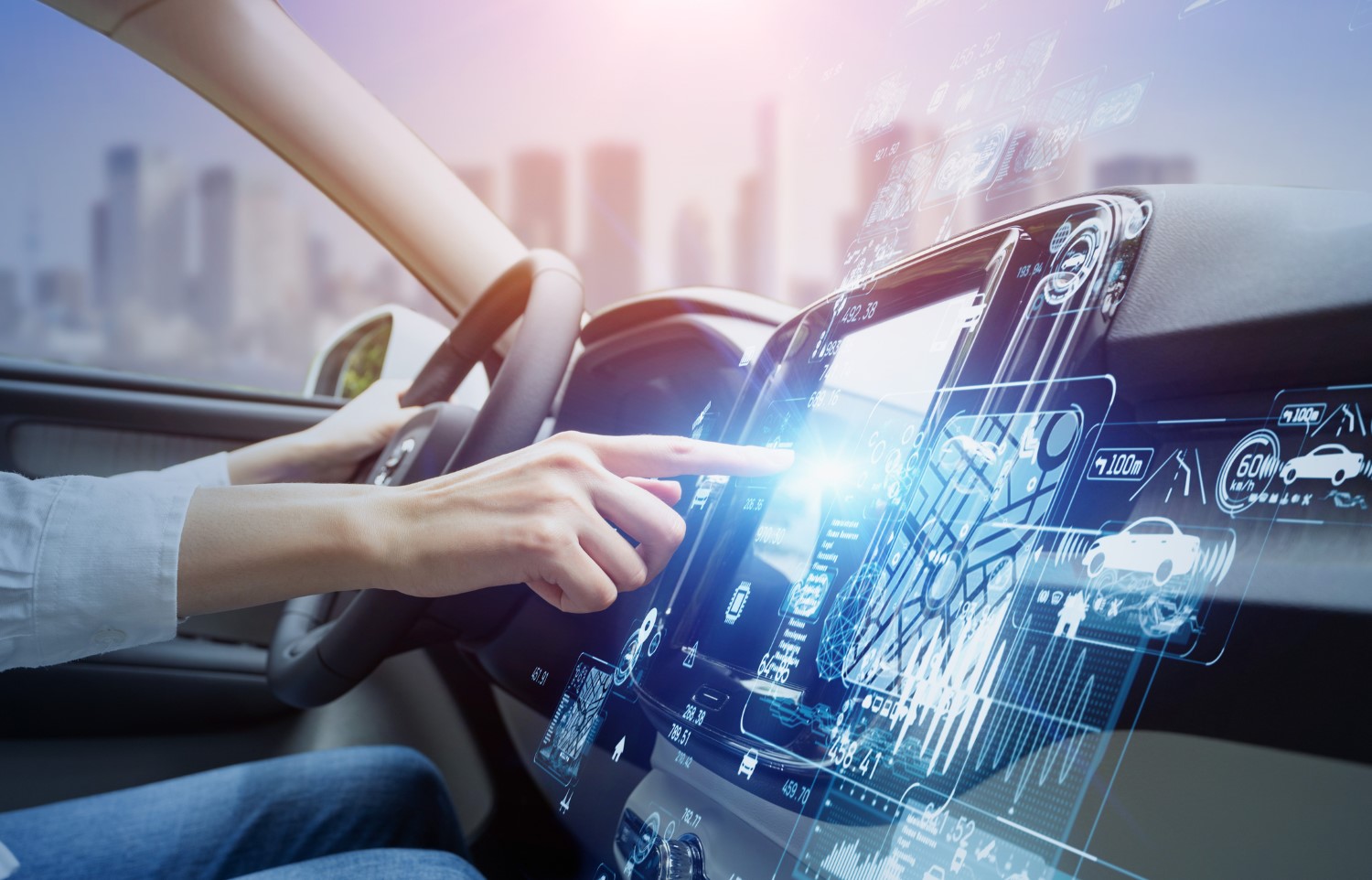
AI-driven transportation systems are a combination of real-time data, sensors, and machine learning used to make decisions that result in improved traffic flow, increased safety, and more comfortable rides for commuters. Businesses spend large sums on the development of autonomous transport and therefore, we very quickly see a world where most of the traffic is controlled by AI and people make the fewest mistakes possible throughout the transportation process.
How AI Is Transforming Transportation
1. Self-Driving Cars
Thanks to AI, autonomous vehicles use sensors, cameras, and deep learning algorithms to detect obstacles, interpret traffic patterns, and make decisions for driving in real time.
2. Smart Traffic Management
The use of AI systems of this kind can analyze car traffic patterns and adjust traffic signals to reduce the congestion and time spent in traffic.
3. Predictive Maintenance
AI enables the prediction of vehicle breakdowns and promises cost savings by preventing breakdowns and saving time.
4. Autonomous Public Transportation
Driverless buses, shuttles, trains are not only ensuring safe and faster travels but also cutting down operational costs.
5. Drone Deliveries and Logistics
AI-based drones are overcoming obstacles in package delivery, emergency air service, and surveillance.
6. Mobility-as-a-Service (MaaS)
AI is effectively merging functions from ride-hailing, public transportation, and bike-sharing into intuitive applications for users.
FAQs
1. What is AI in transportation?
AI in transportation is all about the usage of leading-edge technologies which include machine learning, robotics, sensors, and automation in the field of vehicles, traffic systems, logistics, and the overall movement of people.
2. Are autonomous vehicles safe?
Yes, it is. Autonomous cars are designed to drive without your control thus eliminating the human errors that are to blame for over 90% of the road accidents. Despite the fact that there is still some progress being made, it is becoming more reliable and secure.
3. How does AI reduce traffic congestion?
AI is capable of analyzing real-time traffic data through various means that include cameras, sensors, and GPS devices. This capability allows the optimization of traffic signals, prediction of peak times, and efficient routing of vehicles.
4. Will AI replace human drivers?
AI will automate hundreds of driving tasks, especially in logistics and public transport, while normal human eyes will still be there for the safety tips, regulation, and system management for many years.
5. What is the future of drone deliveries?
Drone deliveries will be more widespread once we see an improvement in regulations. Drones will carry food, parcels, medical supplies and even support emergency services.
6. How does AI help public transportation?
AI uses traffic and user behavior analysis to optimize routes, predict passenger demand, enhance safety, and improve timeliness.
7. Is AI in transportation environmentally friendly?
Yes. AI eliminates traffic idling, allows for direct routes which also minimizes travel time, and supports electric autonomous vehicles which all contribute to lowering carbon emissions.
Conclusion
The use of AI in transportation and mobility has created the environment for a world where travel is not only smarter but also safer and more sustainable. Ranging from AI-managed public transport systems to self-driving cars, and with innovative ideas at every turn, the mobility of the future is a realm of endless possibilities. Running parallel to the ever-developing state technology will be an integral part of cutting down on traffic, life quality for people, and making transport available for all more. A future where human beings are not in charge of driving is not an idea, it is something we already encounter now on the roads, in the clouds and in the cities.