
Introduction
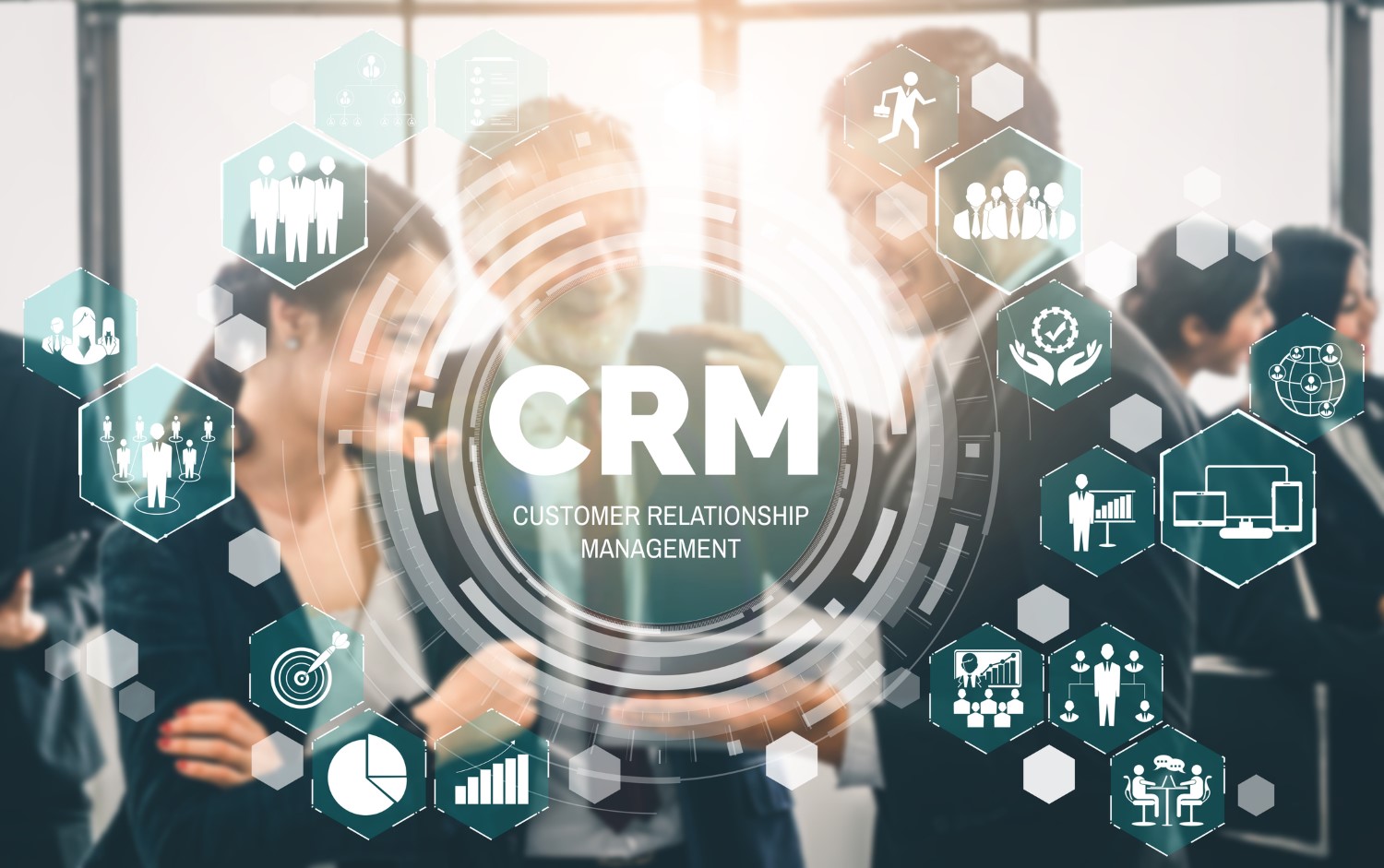
In the complex competitive business environment, winning new customers is just one part of the journey. Keeping them is the key to real growth and profits. The customer relationship management (CRM) system has become an important tool providing the businesses with the ability to analyze? communicate and develop the customer effectively. When strategiin the right way with CRM, it is possible to convert customers into loyal brand advocates, causing repurchase, higher customer lifetime value, and a better image for the brand.
This guide serves as the action plan to improve customer loyalty through efficient CRM, leading to the development of long-term relationships with your audience.
Understanding CRM and Customer Loyalty
CRM (Customer Relationship Management) is more than just a software system—it’s a business strategy. It centralizes customer data, tracks interactions, and provides insights into buying behavior.
Customer loyalty is the result of consistently meeting or exceeding customer expectations, creating trust, and delivering value beyond the initial purchase. Loyal customers are more likely to:
-
Make repeat purchases
-
Refer your business to others
-
Engage with your brand online
-
Provide valuable feedback
Integrating CRM into your business processes allows you to anticipate customer needs, personalize interactions, and respond proactively.
Key Strategies to Boost Customer Loyalty with CRM
1. Centralize Customer Data
Collecting and organizing customer data in one place ensures that every interaction is informed. A comprehensive CRM tracks purchase history, preferences, feedback, and communication history. This allows your team to offer relevant solutions, increasing satisfaction and loyalty.
Tip: Use CRM analytics to segment your audience based on behavior and value, so you can tailor your marketing efforts effectively.
2. Personalize Customer Interactions
Customers want to feel understood. Personalization goes beyond addressing them by name. It includes:
-
Recommending products based on past purchases
-
Sending personalized offers during special occasions
-
Creating targeted content based on interests
A CRM system makes this easier by automating personalized emails, messages, and notifications.
3. Automate Communication Without Losing the Human Touch
CRM platforms allow you to automate routine communications like order confirmations, follow-ups, and reminders. However, automation should complement—not replace—personalized engagement.
Example: Send automated thank-you emails after a purchase, followed by a personal message from a sales representative for high-value clients.
4. Monitor Customer Feedback
A loyal customer feels heard. Use CRM tools to track complaints, suggestions, and reviews. Respond promptly to issues, and use feedback to improve products or services. Customers appreciate businesses that listen and adapt, fostering long-term loyalty.
5. Reward Loyalty and Engagement
Loyalty programs are a powerful way to incentivize repeat business. CRM can track points, rewards, and engagement to ensure customers feel valued.
Ideas for loyalty programs:
-
Exclusive discounts for repeat customers
-
Early access to new products
-
Referral bonuses
6. Analyze Customer Behavior
Leverage CRM analytics to understand buying patterns, product preferences, and engagement trends. This data enables predictive modeling—anticipating customer needs before they arise.
Outcome: Personalized recommendations, timely promotions, and better customer satisfaction.
7. Empower Your Team
CRM is only as effective as the people using it. Train your team to leverage CRM insights to improve customer interactions. Sales, marketing, and support teams should have access to the same customer data for a seamless experience.
FAQs
Q1: Can small businesses benefit from CRM systems?
Absolutely. CRMs are scalable and can be tailored to fit small business needs, helping even small teams manage relationships and foster loyalty effectively.
Q2: How often should we update customer data in CRM?
Regularly. Update after each interaction, purchase, or feedback instance to maintain accurate, actionable information.
Q3: What’s the difference between CRM and a loyalty program?
CRM is a system that manages customer relationships, while a loyalty program is a strategy to reward and retain customers. CRM often supports loyalty programs by tracking behavior and engagement.
Q4: How do we measure customer loyalty?
Metrics include repeat purchase rate, Net Promoter Score (NPS), customer lifetime value (CLV), and referral rate.
Conclusion
Managing your relationship with your customers in an efficient manner is no longer a matter of choice; it has actually become a must for businesses that want to gain customer loyalty. If companies work towards the full centralization of customer data, personal interaction, thoughtful communication automation, and rewarding, they can easily turn one-time customers into life-long customers.
Putting efforts in CRM strategies not only help in customer relationship-building but also push the business towards growth, and become a competitive advantage generator, and a source of long-term profitability. The main things are to stay consistent, to empathize, and to rely on data—treat each customer like a precious human being, and they will naturally return.