
Introduction
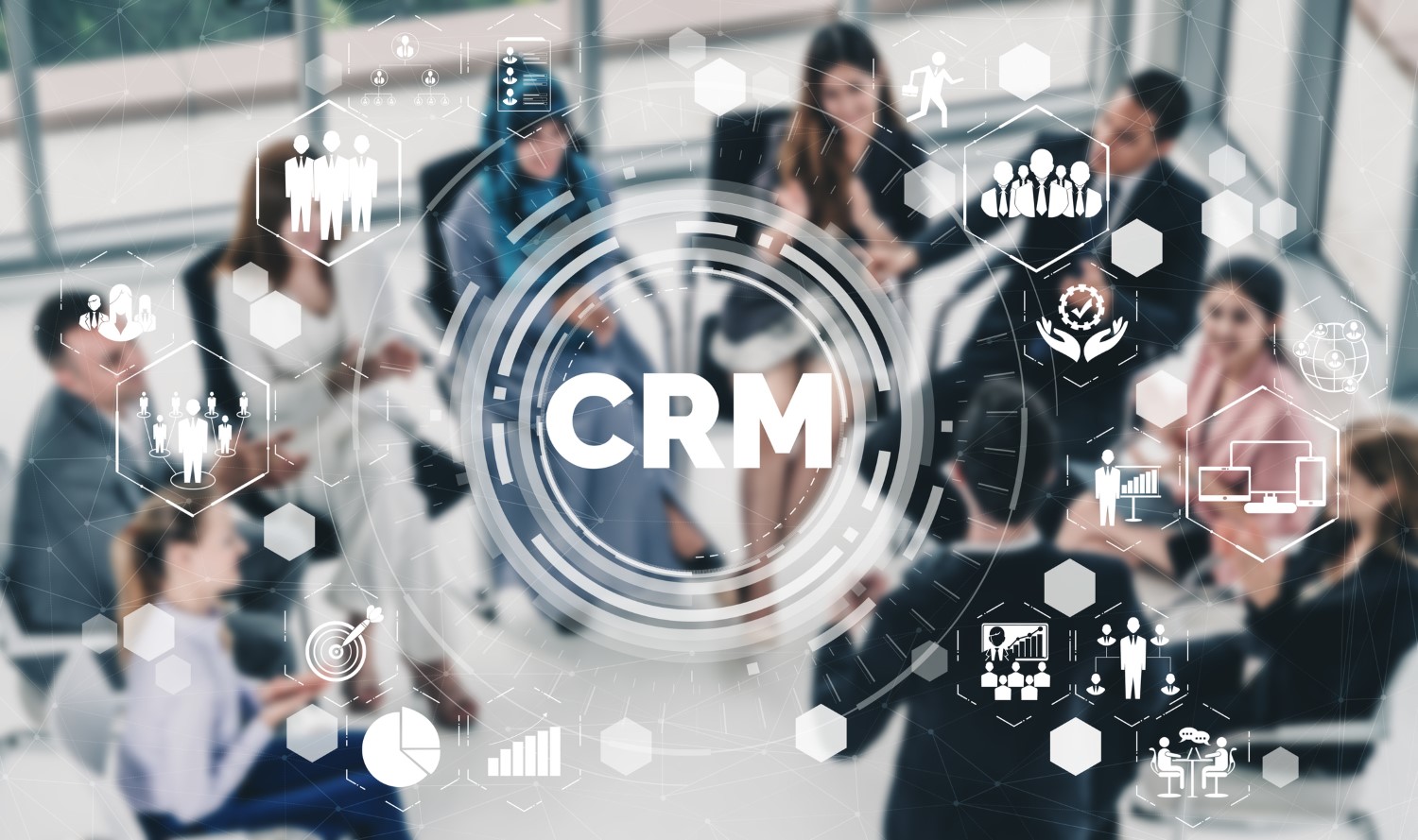
With the acceleration of the business world, many companies are looking for methods to streamline their operations, improve customer experiences and boost revenues. Customer Relationship Management (CRM) systems have risen as a central solution overcoming the obstacles, but the true weapon is in CRM integration. The CRM that you integrate with other business tools could be the one that turns fragmented workflows into seamless, efficient.
What is CRM Integration?
CRM integration is the process of linking your CRM system to various other business software-applications, including marketing automation tools, accounting software, customer support platforms, eCommerce systems or ERP solutions, to make sure that the data flows across your organization seamlessly.
With integration instead of every department having their own isolated data silo it can have the roll up of the company-wide the same or up-to-date customer information, facilitating to make the proper decision and achieving customer management in unity.
Benefits of CRM Integration
1. Improved Operational Efficiency
Integration of the CRM with other systems automates tasks that previously required manual input. For instance, when a lead is captured from a website form, integration can create a CRM record automatically, assign it to the appropriate salesperson, and trigger follow-up campaigns.
2. Enhanced Customer Experience
With full integration you give the user a 360-degree view towards the customer. The customer service representatives get the possibility to see the purchase history, interactions, and support tickets of a specific customer in one place, which lets them respond faster and assisted with personalized support makes more loyal.
3. Better Data Accuracy and Reporting
Manual data entry is the source of a lot of errors. Integrated systems synchronize data automatically which ensures their consistency and accuracy. This also improves the reporting and analytics which gives the management reliable insights to make strategic decisions.
4. Increased Sales and Marketing Alignment
The marketing and sales teams work more effectively when they are equipped with the same tools. Also, the leads generated from the marketing campaigns go straight into the CRM, and the sales teams can see marketing activity, which will allow them to better targeted follow-ups and make more sales.
5. Cost and Time Savings
Integration leads to time savings and cost reduction by eliminating the repetitive manual tasks and employees can concentrate on the most value-added activities like strategy, relationship building, and creative problem-solving.
Popular CRM Integration Use Cases
-
Email Marketing Automation: Your CRM can connect with tools like Mailchimp or HubSpot to automatically segment audiences and send targeted campaigns.
-
Accounting Software: You can integrate with QuickBooks or Xero to track invoices, payments, and financial reports directly from your CRM.
-
Customer Support Platforms: You can sync with Zendesk or Freshdesk to give agents real-time customer data and support history.
-
E-commerce Platforms: You can connect Shopify, WooCommerce, or Magento to track orders, manage customer interactions and personalize offers.
-
Social Media Management: Now you can integrate with tools like Hootsuite or Buffer to track social interactions and generate leads automatically.
Best Practices for CRM Integration
-
Define Your Objectives: It is necessary to know what you want to achieve-whatever it is sales efficiency, improved customer service, or enhanced analytics.
-
Choose Compatible Tools: Take care and make sure that the systems you plan to integrate are compatible with your CRM platform.
-
Prioritize Key Integrations: To start with tools that will have the most impact, you need to prioritize.
-
Maintain Data Cleanliness: Clean and standardized data is important for the smooth integration.
-
Monitor and Optimize: Always check the performance and improve the integrations to obtain the maximum value.
Challenges to Watch Out For
Even if the CRM integration has its advantages, it is also necessary to be knowledgeable about problems that may occur:
-
Data Security and Privacy: Implementing several systems leads to an increase in the chance of data breaches which can happen only in a correctly secured environment.
-
Complex Implementation: Integration can foresee the technical complexity that needs the skilled IT resources or outsourcing.
-
Change Management: The new workflow needs to be adopted by the employees and requires the right training and adoption strategies.
Conclusion
The concept of CRM integration is not limited to the connecting of software alone, it is rather the creation of a unified ecosystem where teams collaborate efficiently, data flows effortlessly, and customers get a consistent, personalized experience. By streamlining operations through the integration process, businesses can reduce their costs, improve accuracy, increase sales and in the long run, gain a competitive advantage in the market.
In the fast-paced and modern business scene, you can`t escape the need to integrate your CRM system; you have to do it as a mean of growth and efficiency.