
Introduction
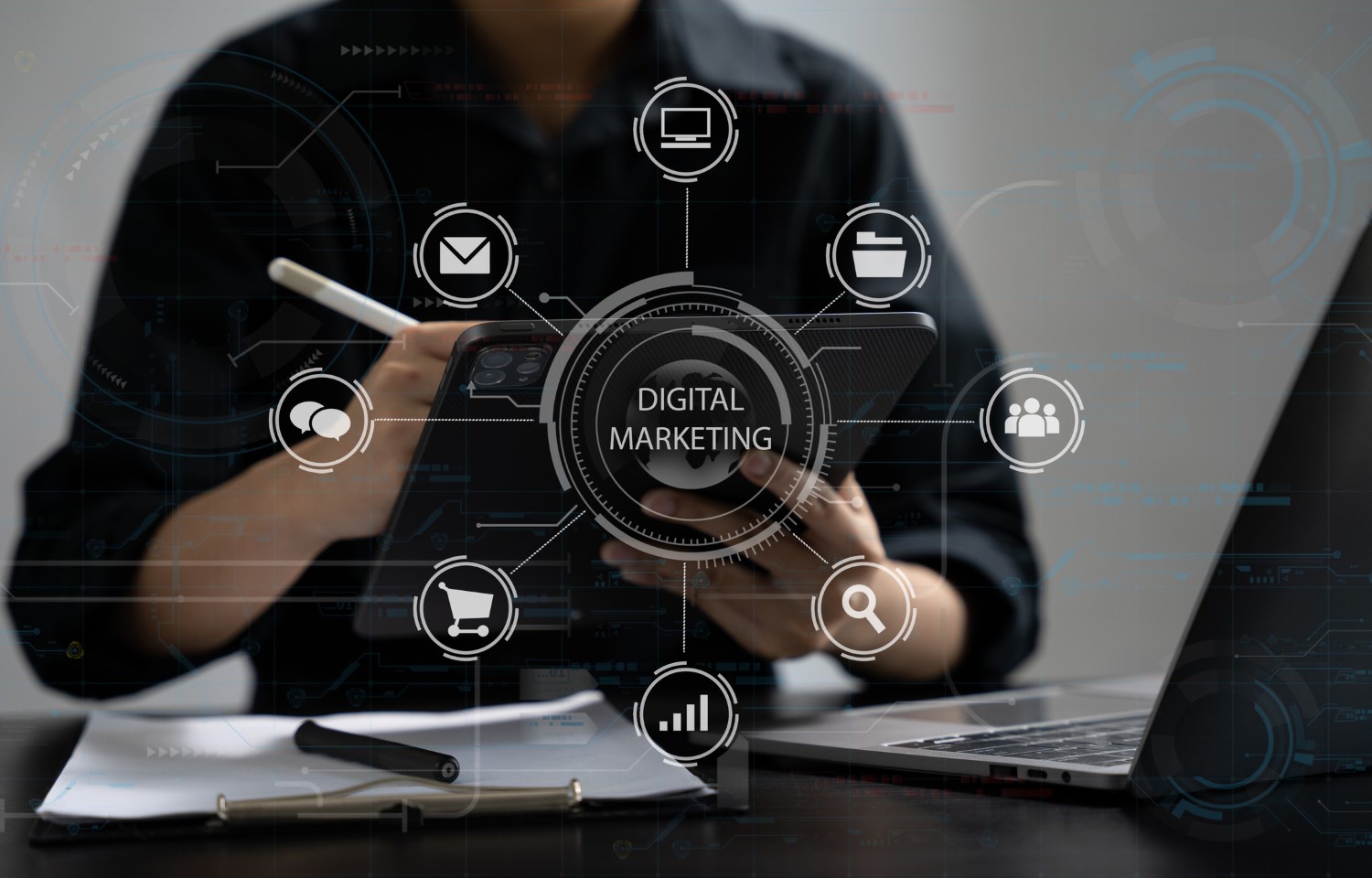
In the realm of technology, where everything is changing very fast today, marketing has left behind billboards and print ads and moved on to digital marketing. Digital marketing gives companies various tools and techniques to reach their clients easily, track their performance, and cause).
This guide aims at demystifying the digital marketing strategies that are out there, with the most effective being those that help organizations to build their brand, be more active and sell more.
Proven Digital Marketing Strategies
1. Search Engine Optimization (SEO)
SEO is an online visibility multiplier. Deploying search engine optimization strategies to your website and content can significantly increase your website's organic traffic and get you high-quality leads. Concentrate on keyword research, on-page SEO, technical SEO, and high-quality backlinks.
Tip: Use long-tail keywords to target niche audiences and improve conversion rates.
2. Content Marketing
Content marketing creates a bridge between your audience and the brand that trustworthy, authoritative, and engaging. Blogs, videos, infographics, and podcasts are all great ways of delivering information on the issues that your audience is having, and at the same time, you can help them by suggesting possible solutions with your products.
Tip: Focus on creating evergreen content that continues to drive traffic over time.
3. Social Media Marketing
Channels like Facebook, Instagram, LinkedIn, TikTok, and Twitter allow the direct dialogue with your audience. Regular posting, storytelling, and community interaction are the tools for building a loyal brand and brand awareness.
Tip: Analyze platform insights to post at optimal times and tailor content to each network.
4. Email Marketing
Email marketing is still one of the best-performing channels for both lead generation and sales promotion. Engaging and personalized, segmentation strategies enhance consumer's performance.
Tip: Use automation to send welcome sequences, product updates, and abandoned cart reminders.
5. Pay-Per-Click (PPC) Advertising
PPC campaigns on Google Ads, Facebook, and different platforms provide you the ability to target precisely your desired audience and get instant visibility. Also, paid campaigns are measurable and deliver quick ROI.
Tip: Continuously A/B test ad creatives, headlines, and targeting to optimize performance.
6. Influencer Marketing
Working with influencers makes it possible to broaden your digital reach, gain trust, and gain new audiences. Micro-influencers, as a rule, have a better engagement rate and thus could be very cost-effective.
Tip: Choose influencers whose values align with your brand for authentic partnerships.
7. Video Marketing
Video marketing is by far the most popular form of digital marketing. Tutorials, explainer videos, live-streaming, and short-form videos (for example Tik Tok or Reels) are a great way to involve your audience and help them remember your brand.
Tip: Include captions and strong hooks in the first few seconds to capture attention.
8. Analytics and Data-Driven Decisions
Digital marketing is all about measurability. The tools such as Google Analytics, social media insights, and CRM systems can provide important and actionable data for the remediation of campaigns to increase ROI and for the correct targeting.
Tip: Set clear KPIs for every campaign and regularly review performance metrics.
9. Mobile Optimization
Mobile devices are the primary way most people access digital content; thus, mobile-friendly sites, landing pages, and emails are a necessity.
Tip: Ensure fast loading times, responsive design, and mobile-friendly forms.
10. Retargeting and Remarketing
Almost all website visitors do not convert in the first instance. By retargeting ads, you reinforce your products by reminding potential customers, and thus increase the conversion.
Tip: Segment audiences based on behavior, such as cart abandonment or page visits, for more effective campaigns.
FAQs About Digital Marketing
Q1: However long does it take to see the results of digital marketing?
A: Paid strategies like PPC can show results faster, while SEO and content marketing generally require about 3-6 months for measurable results to come through.
Q2: Is digital marketing suitable for small business?
A: Lots of people start small businesses on a shoestring budget, and this is where digital marketing comes in since it is very tailored to budgets and small startups can be competitive with big companies.
Q3: Which digital marketing channel is the most effective?
A: It largely depends on the targeted audience and the goals. The combination of SEO, content marketing, email, and social media usually brings in the best returns.
Q4: How can I track the success of digital marketing campaigns?
A: Ensure the use of KPIs like website traffic, conversion rates, lead generation, engagement metrics, and ROI measurement, as they are tracked using the right analytics tools.
Conclusion
Effective digital marketing is logical and well-planned, requires a consistent approach, and results that drive decisions. With the help of SEO, content marketing, social media, emails, PPC, video, influencer marketing, analytics, mobile optimization, and retargeting, companies can not only reach the correct audience but also build trust and measure growth accurately. Digital marketing is not only about being online; it is more about connecting with the audience, creating value, and making interactions out of them. Follow these strategies, track the success and modify them where necessary for the lasting updates.
Digital marketing is not just about being online—it’s about connecting with your audience, providing value, and turning interactions into conversions. Implement these strategies, monitor performance, and adjust as needed to achieve lasting success.