

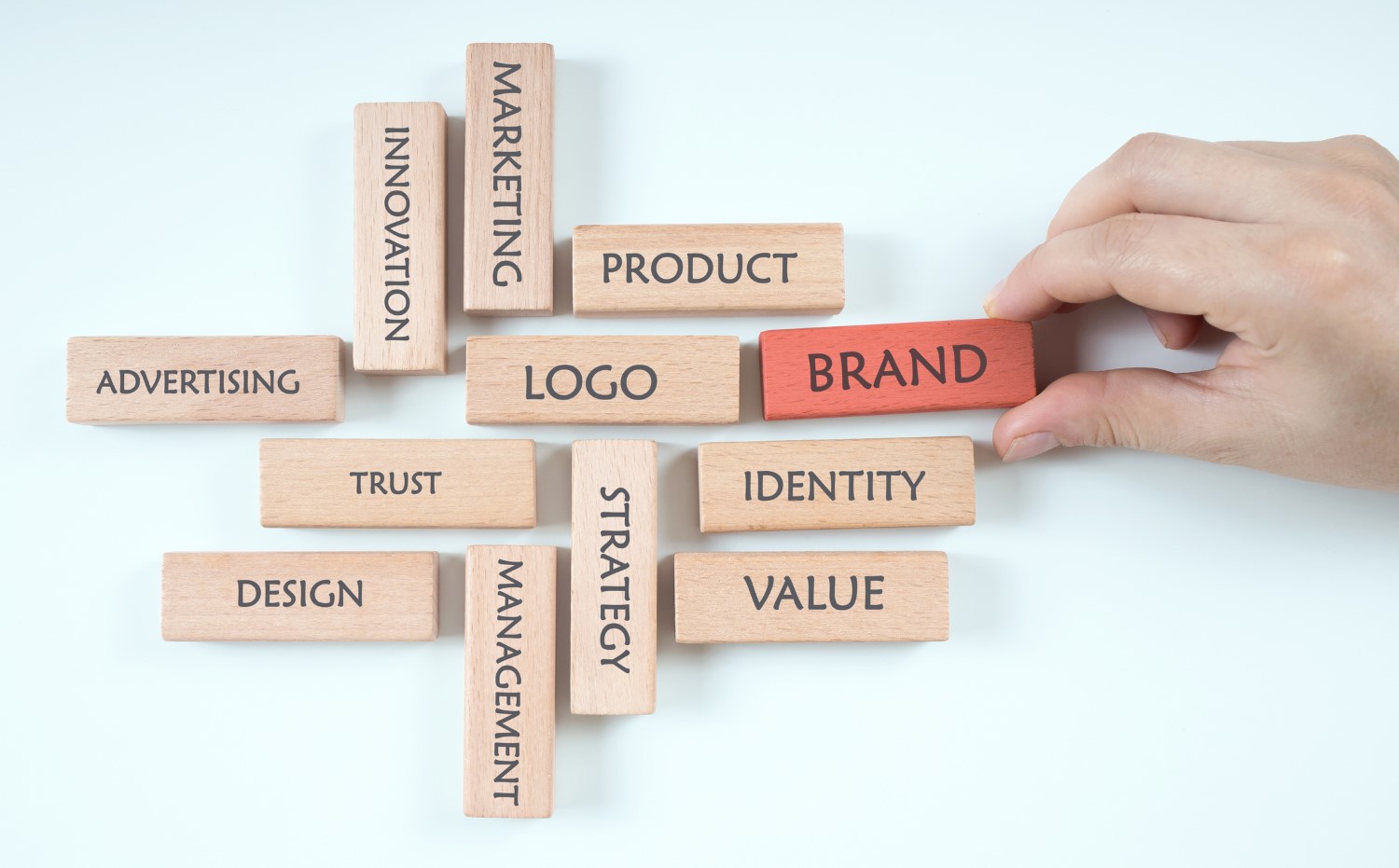
Introduction
Synchronized branding is the backbone of any successful business. It represents how your audience perceives your company, establishes trust, and differentiates you from competitors. Brand identity goes beyond a logo or color palette—it encompasses your messaging, visuals, tone, and overall experience. When consistent across all platforms, it strengthens the recognition, builds loyalty, and creates a professional image.
This guide will take you through the steps to create a matching brand identity that your audience will love and which will outlive your time.
Why Synchronized Brand Identity Is Important
A unified brand identity promises that your business is effortless to identify and remember. Advantages are:
-
Enhanced Recognition: Accumulation of channels brings familiarity and trust.
-
Stronger Emotional Connection: The right branding voice and visuals talk to your audience.
-
Professionalism: A neat identity improves your brand’s credibility.
-
Competitive Advantage: Stands out among businesses in the same sector.
Steps for Creating a Cohesive Brand Identity
1. Define Your Brand Core
You should first explore your brand’s fundamental concept:
-
Mission: Reflect on your main objective.
-
Vision: Individuals must identify where to go.
-
Values: What guiding principles are you governed by?
-
Target Audience: What is your audience?
Purity of vision serves as the groundwork of your brand identity.
2. Develop a Consistent Visual Identity
Visual elements are those components of your brand that people will first see. They consist of:
-
Logo: The main symbol of your brand
-
Color Palette: Your personality and environment reflected 2-4 distinct variable hues
-
Typography: Fonts that align with your brand tone
-
Imagery & Graphics: Matching photographs, icons, and patterns that fortify your message
Apply the same stylistic visuals across your corporate website, social media, packaging, and other marketing materials.
3. Create a Unified Brand Voice
Brand voice is a personality of your brand conveyed by the language. Think about:
-
Tone (formal, friendly, witty, authoritative)
-
Messaging style (concise, informative, storytelling)
-
Key phrases or taglines that reinforce your values
Vocal consistency on your blogs, emails, ads, and social channels adds up to really making your brand identify you.
4. Standardize Brand Guidelines
Capturing your brand guidelines in a document means that everybody that represents your business handles the same rules:
-
Logo usage and placement
-
Color and font specifications
-
Tone of voice and messaging
-
Social media and marketing templates
A style guide ensures all branding stays unified even as your team expands or outside designers are used.
5. Apply Your Brand Across All Touchpoints
Uniformity is the center of the matter. Leverage your identity across:
-
Web page and social media profiles
-
Email campaigns and newsletters
-
Packaging, signage, and printed materials
-
Customer support and communication
Your target audience should see a similar personality reflected in every single interaction you have with them.
6. Monitor and Evolve
Synchronized branding in itself is not lasting. Keep your eye on how your brand is viewed and make necessary changes but stay true to your brand.
Frequently Asked Questions (FAQs)
1. How long does it take to build a cohesive brand identity?
It will focus on the dimensions and intricacies of your establishment, however, the majority of small to moderate companies can initiate basic assets in a couple of months.
2. Can I update my brand identity later?
Yes. The core values should stay the same, but the visuals, voice and messaging can be updated from time to time to keep up with the current trends.
3. Do I need a professional designer?
Even though DIY tools are available, hiring professional graphic designers will help you achieve the best, original, and strategic brand identity.
4. What is the difference between brand identity and brand image?
Brand identity is the intentional model of the brand, whereas brand image is what the audience sees. Brand identity is helped to shape the image it wants.
5. How do I keep consistency throughout multiple platforms?
Brand guidelines, templates, and a single voice are key. Regularly checking your visuals and messaging can help you avoid inconsistencies.
Conclusion
An integrated brand identity is the key to long-lasting success. With the help of formulating your brand core, creating consistent visuals, unifying your voice, and branding your entire communication, you will be able to create a brand that is appealing, instills trust, and stands out in a saturated market place.
The uniformity and consideration of details in brand identity not only improve awareness but also promote loyalty, professionalism, and credibility—so that you can turn a one-time audience into your brand’s lifelong proponents.