

Have ever thought of how to smoothly join your CRM and the ecommerce platform together without it turning into a tech nightmare? If you are thinking so, then you are not alone in this. As it seems, these two systems being integrated is just like asking two very different personalities to share a flat. But just between us, when they actually hit it off, they make the best thing ever for your business.
Here’s the deal: staying in a reality where you can earn 26% more by providing customers with personalized experiences, to ignore the CRM integration is like leaving the money on the table. Data unification, automation, and personalization are not just trendy concepts—they are the key to the customer experience and company growth.
At Cleartwo, we often witness how having a successful CRM and ecommerce integration can completely transform the situation. By providing companies in the UK with practical strategies and technical assistance, we clear the tech chaos.
Why to Merge Your CRM and Ecommerce?
Let’s start with the fundamentals. Your CRM (Customer Relationship Management) is where you have all the customer info such as their purchases, emails, chats, and even their preferences. Your ecommerce platform, conversely, is actually a shop window and a checkout in one.
Ever wanted to ask why your marketing feels somewhat generic or gets errors between orders and stocks? Without integration:
- Your customer data lives in silos
- Marketing is less personalised but
- Orders and stock levels can get out of sync
- Customer service feels like guesswork
With integration:
- All data flows one way or another seamlessly
- Automation handles the repetitive tasks
- Personalised marketing becomes a breeze
- You gain a complete view of customer journeys
To tell you frankly, this isn’t difficult at all. It is simply the matter of letting the two work together, so you can do more sales and keep your clients satisfied.
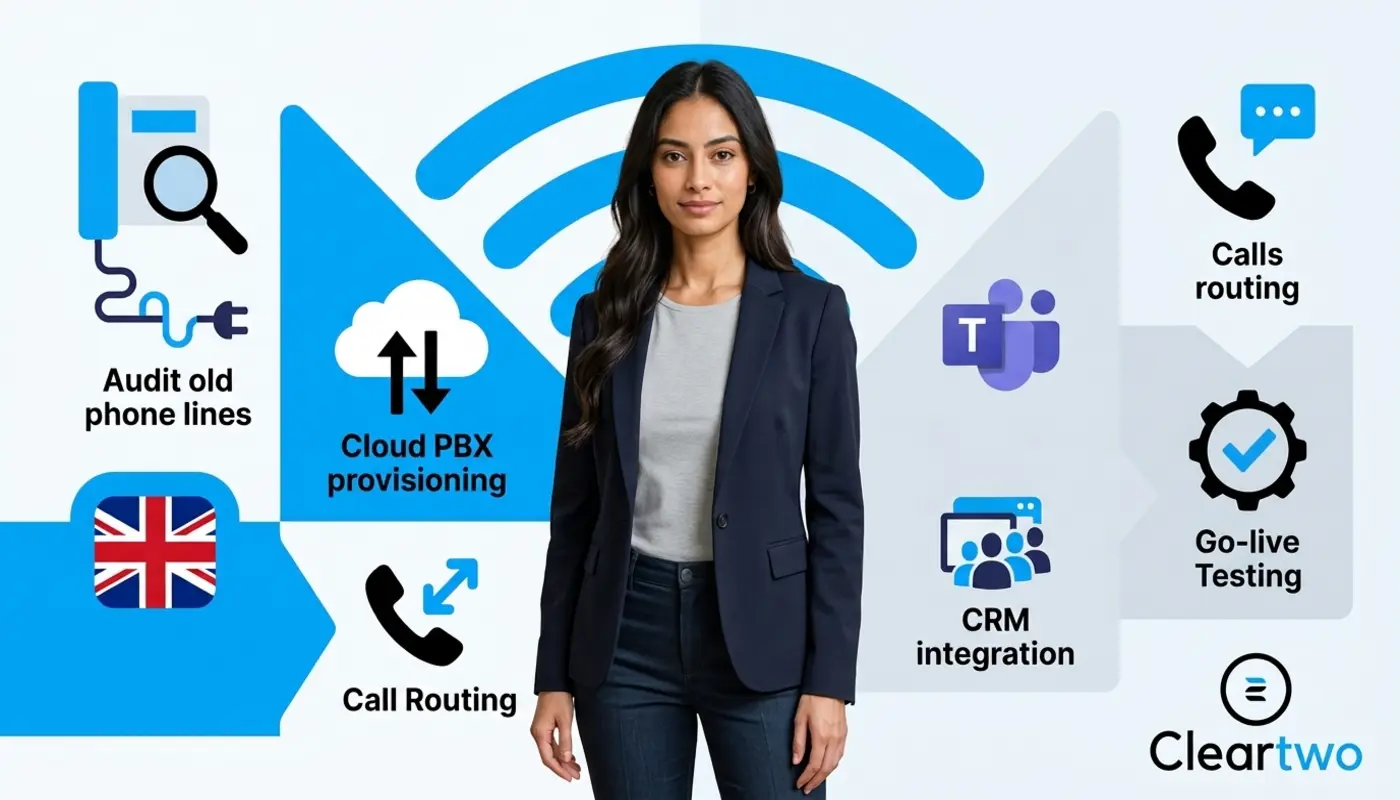
 A clear diagram illustrating smooth data flow between CRM and ecommerce platforms, highlighting customer data unification and automation.
Best Strategies for Making Your CRM Work with Ecommerce
Thinking of how to choose the best platforms and make sure everything will sync properly? These are some simple and doable ideas for making your CRM and ecommerce platforms easily and effectively work together:
- The Right Compatibility: Choose systems that are open and flexible. Look for open APIs or a “headless ecommerce” setup—a flexible system where your CRM can chat easily with your shop front without being boxed in.
- Sync Orders and Behaviour: Real-time, two-way syncing is where it’s at. Sales orders, browsing habits, even abandoned carts should update your CRM instantly, so you don’t double sell or miss out on recovering carts.
- Automate Customer Nurturing: Set up workflows so when someone buys, their profile updates automatically. Follow-up emails, thank-yous or personalised recommendations can be sent without you lifting a finger.
- Make Personalisation Work: Use the data to segment customers accurately. Send targeted emails, recommend products based on past behaviour or offer loyalty discounts synced right from your CRM.
- Measure What Matters: Track customer lifetime value (LTV), repeat purchase rates and campaign performance. Use this info to tweak your strategy for even better results.
Don’t you think this is a good way to prevent overselling and avoid data duplicates? You will surely manage this as long as you perform your data management and syncing properly.
Keep in mind, doing things like inventory tracking and customer support with the integration gives you a one-stop view of your operations not like a jigsaw puzzle every morning.
Smooth Integration Made Clear and Simple
Let’s keep this simple and replicable:
- Define Your Goals: What do you want from this integration? Better customer insights? More automation? Write it down.
- Audit Existing Systems: What platforms are you currently using? Are they compatible? What gaps need filling?
- Choose Your Integration Method: Native apps are preferable if your platforms provide them. Otherwise, no-code tools like Zapier or a custom API might be the way to go.
- Test the Sync: Start small. Sync a chunk of customer data and orders, see if it flows properly without mix-ups or duplicates.
- Train Your Team: Don’t assume everyone is clued up. Your CRM shouldn’t feel like a puzzle. Simple training goes a long way.
- Monitor Key Performance Indicators (KPIs): Keep an eye on sales growth, email open rates, and customer retention—these show if your integration is paying off.
- Refine and Scale: Integration isn’t ‘set and forget’. Tweak workflows and data sync routines as you gather insights.
Key Tools for Your Ecommerce CRM Integration
Have the right tools and you’ll not only zip through but also enjoy the ride! Here’s a quick peek at some of the most popular.
- HubSpot CRM: Perfect for marketing automation and Shopify integration.
- Salesforce Commerce Cloud: The ultimate weapon for bigger companies with custom setups and advanced analytics.
- Zoho CRM: Affordable with WooCommerce plugins—ideal for small and medium growing businesses in the UK.
- Zapier: The superstar no-code buddy that stitches apps together without a dev needed.
If you are looking for more detailed solutions that fit your individual setup, check out Cleartwo’s ecommerce integration page.
Frequent Challenges and Their Solutions
Hey, we all have faced issues like accidentally sending a customer the invoice template as a marketing email, automations breaking down due to messy data, and that is just scratching the surface. Would you like to make annoying mistakes not happen? Here is how you can steer clear of them:
- Avoid data duplication by setting clear master data sources
- Test synchronisation thoroughly before going live
- Keep an eye on security, especially around customer data compliance (GDPR, anyone?)
- Don’t overload your CRM with too much info—focus on meaningful data
- Communicate with your team regularly about workflow changes
For more tips on ensuring safety and compliance, the UK’s Information Commissioner’s Office gives a solid resource.
Final Note
So, what it all comes down to? Integrating your CRM with your ecommerce platform is not just an option anymore. It has become a necessity if you care about increasing sales and keeping your customers happy,
Let’s be real, starting off with a clean road map and essential tools like no-code integration apps, puts you on the right trajectory without the overwhelm. Want a hand organizing it all? Just visit Cleartwo’s CRM integration specialists and we are there to help you!
- Select flexible platforms
- Sync data in real-time
- Automate customer follow-ups
- Personalize marketing
- Monitor and tweak regularly
- Train your team well
- Keep data secure
One last thing to notice is that every business has its uniqueness, thus the focus should be on what fits yours the best. You got this and we are here to make it clear and easy.
For more resources on ecommerce growth and digital strategies, check out Cleartwo’s digital strategy services and also ecomfmerce optimasition page.