
Introduction
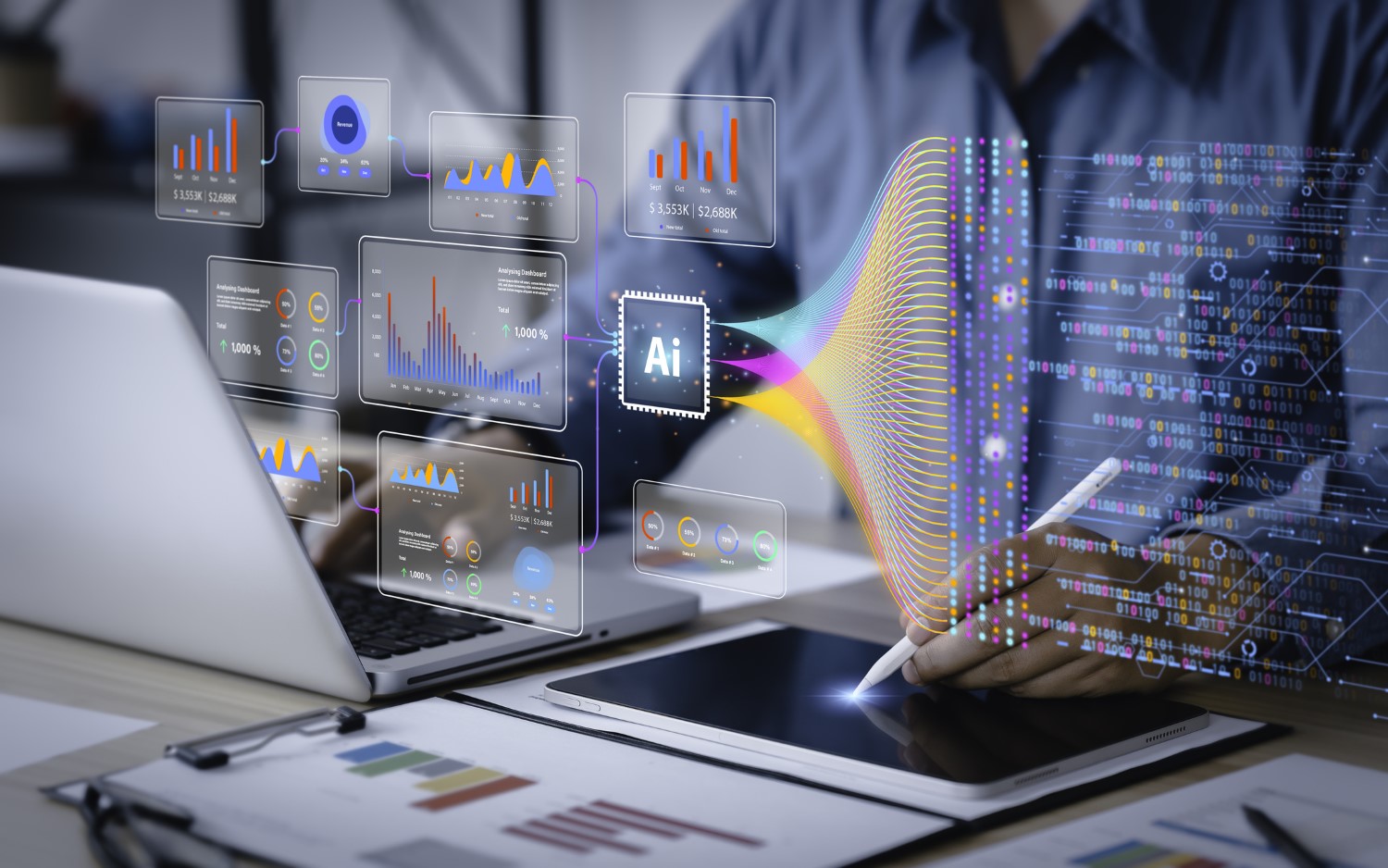
The strides made in Artificial Intelligence (AI) have transitioned from simple rule-based systems to the complex and sophisticated generative models that exhibit human knack of content generation. In fact, the development from basic chatbots to the current generative AI shows all intelligence improvements, enabling computers to replicate not only the functions of humans but also the power to create and interact intelligent objects.
Whether it’s answering customer queries and writing essays or designing art and composing music, AI is steadily changing how we communicate, work, and innovate. This shift is a sign of not only advancements in technology but also a complete metamorphosis of how human and machines cooperate.
The Evolution of AI
1. Early Chatbots
The story of the venture is from rule-based chatbots to the very first ones like ELIZA in the 1960s which were interactive with user inputs based on predetermined scripts. These systems were indeed restricted-for instance, they could converse in a pseudo manner but they were incapable of doing it genuinely.
2. Machine Learning and Predictive AI
Incorporating machine learning marked the start of the journey when AI systems were formed to train by means of data. Predictive algorithms were able to analyze data patterns, generate proposals, and enhance functionality. The algorithms found use in particular areas such as recommendation engines, fraud detection, and marketing.
3. Natural Language Processing (NLP)
The breakthroughs in NLP have been the stepping stones that paved the way for machines to converse in natural human language. These developments enabled AI to grasp the mood conveyed, catch nuances like sarcasm, or make more effective communication as a whole.
4. Generative AI
Generative AI is the cutting-edge instance of intelligence that can build content from zero—text, images, audio, and even code. Applications directly, such as GPT models, DALL·E, and MidJourney, highlight this capacity of the AI to create original and imaginative as well as contextually appropriate artifacts.
5. AI in Daily Life and Industry
Generative AI is not a phenomenon exclusive to the laboratory anymore. It is used in various activities like content development, customer assistance, healthcare, design, and even medical research. The fruit of technology is the capacity to increase productivity, addition of creativity, and making better decisions.
FAQs
1. What is generative AI?
Generative AI is the acronym given to those AI systems that are capable of generating new real content through the analysis of the available data.
2. How are chatbots different from generative AI?
The primary mode operated by spot language models is to respond to user queries using pre-programmed rules or learned patterns. On the other hand, generative AI can invent and drive it, thereby making new ideas possible.
3. Can AI think like humans?
AI does not operate as a human brain would do. It tunes in on things, it does data mining and machine learning, which is the operation of forming a relationship between things that seem to be unrelated.
4. Where is generative AI used today?
Examples involve a wide range of applications including content creation, virtual assistants, diagnostic tools in healthcare, art and music generation, programming, gaming, and customer service automation.
5. Are there risks with generative AI?
Yes, there are. The risks consist of misinformation, biased output, copyright issues, and ethics. It is crucial to ensure responsible development and use.
6. What’s next for AI?
The short-term future refers to the era of AI that is empirical, relational, and multimodal, in which computer language will be combined with pictures and sounds, and humans and machines will join in a more profound collaborative effort.
Conclusion
The story of early chatbots to now is the picture of a big leap in the machines’ intelligence. What initiated as fixed replies and has been transformed into the ability to create, initiate, and help in either way that expands human capability. The zigzag path of AI going forward is going to change methodology of innovation and drive problem-solving becoming a necessary effect where human and artificial intelligence join together enabling the unlocking of new frontiers.