
Introduction
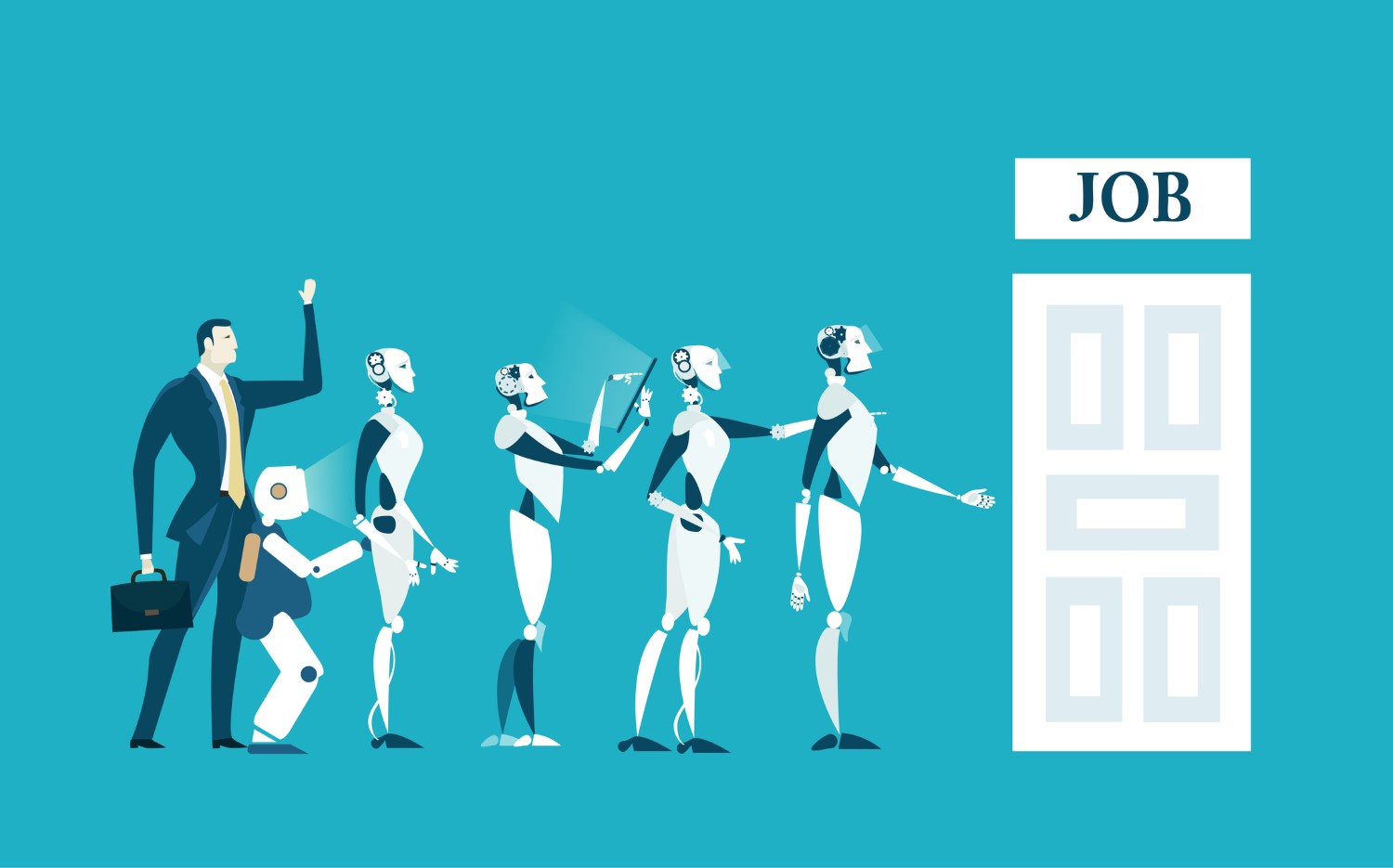
Artificial Intelligence (AI) is a technology that not only drive change in the tech sector but also on various sectors and industries. For example, providing new career opportunities while changing the necessary skills for success. AI automates repetitive tasks and creates the demand for new skills in the process.?
Whether you’re a student, professional, or career shifter, it’s important to understand the AI job market and the skills that are in demand to remain competitive and future-proof your career.
Key Skills to Thrive in the AI Job Market
1. Technical Skills
-
Machine Learning & Deep Learning: Knowledge of algorithms, neural networks, and model training.
-
Programming Languages: Python, R, Java, and SQL are critical for AI development.
-
Data Analysis & Visualization: Ability to interpret data using tools like Excel, Tableau, or Power BI.
-
AI & Cloud Platforms: Familiarity with TensorFlow, PyTorch, AWS AI, and Azure AI services.
2. Analytical and Problem-Solving Skills
AI professionals must interpret data patterns, identify solutions, and optimize processes. Strong analytical thinking helps in designing algorithms and improving AI models.
3. Business and Domain Knowledge
Understanding how AI applies to specific industries—healthcare, finance, logistics, or marketing—ensures the solutions are practical and effective.
4. Soft Skills
-
Communication: Explaining technical concepts to non-technical stakeholders.
-
Collaboration: Working with cross-functional teams including data scientists, engineers, and business analysts.
-
Adaptability: Staying current with rapidly evolving AI technologies.
5. Ethical and Responsible AI Skills
Knowledge of AI ethics, bias detection, and responsible AI deployment is increasingly valued by employers focused on sustainable and fair AI practices.
6. Creativity and Innovation
Generative AI, AI-powered design, and automation require creative thinking to leverage technology for new solutions, products, or services.
FAQs
1. What jobs are most in demand in the AI sector?
-
AI/Machine Learning Engineer
-
Data Scientist
-
AI Product Manager
-
Robotics Engineer
-
AI Researcher
-
AI Ethics Specialist
2. Do I need a technical background to work in AI?
While many AI roles are technical, non-technical roles in AI project management, product development, and ethics are also in demand.
3. How can I start a career in AI?
Start by learning programming, data analysis, and AI basics. Online courses, bootcamps, and certifications can provide a strong foundation.
4. Are AI skills only for tech companies?
No. AI is being adopted across healthcare, finance, retail, manufacturing, education, and more. Almost every sector requires AI talent.
5. How important are soft skills in AI roles?
Extremely important. Explaining AI solutions, collaborating with teams, and ethical decision-making are key to successful AI implementation.
6. What is the future of AI jobs?
AI will continue to grow, creating hybrid roles that combine technical, analytical, and domain-specific knowledge. Lifelong learning will be essential to remain competitive.
Conclusion
The AI job market is evolving rapidly, offering exciting opportunities for those equipped with the right skills. Technical expertise, analytical thinking, business understanding, and ethical awareness are all essential to thrive. As AI becomes integral to virtually every industry, professionals who embrace continuous learning and adaptability will not only secure their place in the workforce but also lead innovation in shaping the future of work.