

Introduction:
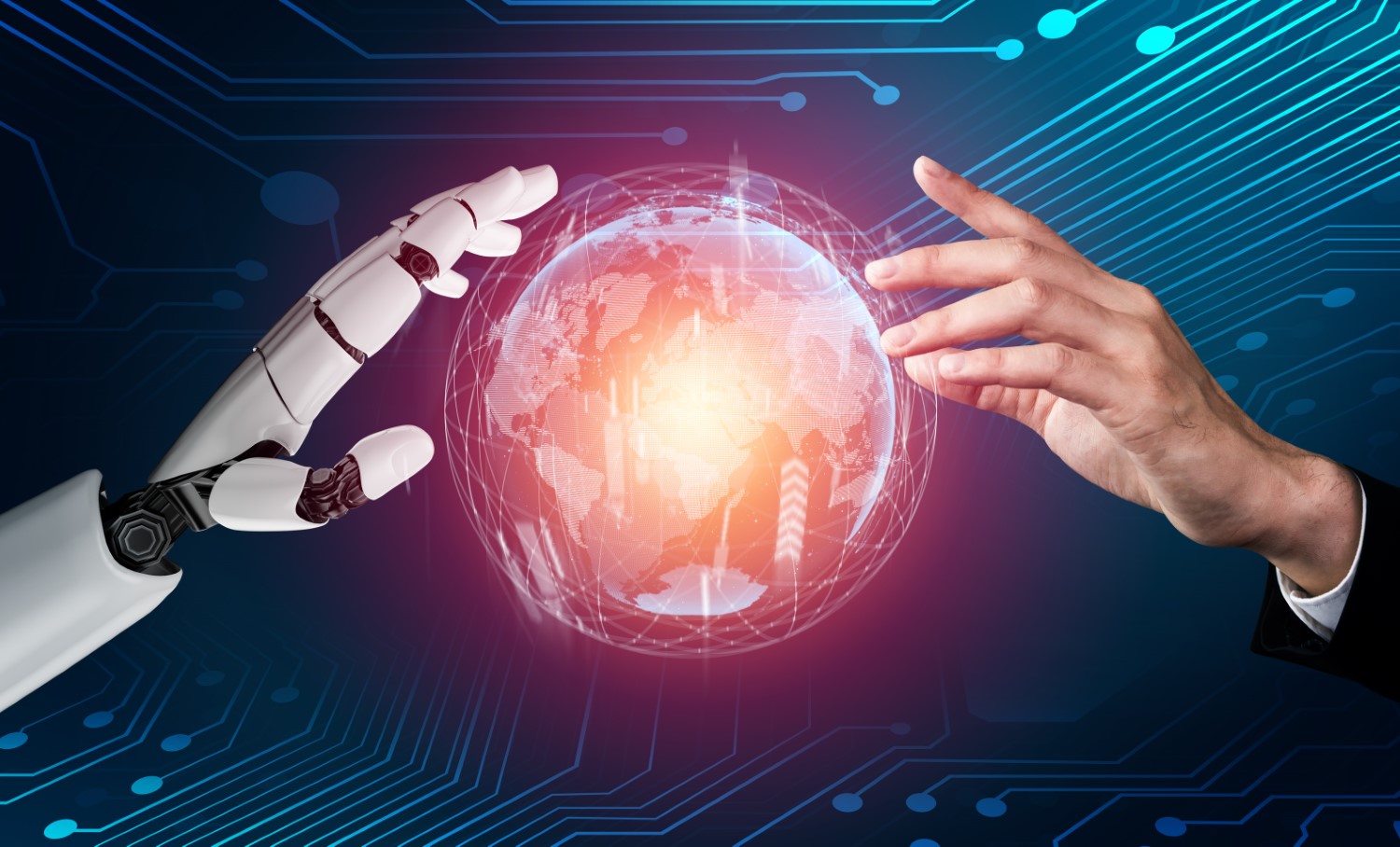
Artificial Intelligence (AI) is no longer just a concept from science fiction—it is actively transforming the world around us. From personal devices to large-scale industrial systems, AI is changing how we live, work, and interact. It is driving innovation, improving efficiency, and opening new possibilities across every sector. Understanding AI’s impact today is essential, because the future is already here.
How AI is Shaping Our World
1. AI in Everyday Life:
AI powers the tools and services we use daily. Virtual assistants like Siri and Alexa, recommendation engines on streaming platforms, smart home devices, and navigation apps all rely on AI to enhance convenience, efficiency, and personalization.
2. AI in Industries:
AI is revolutionizing industries:
-
Healthcare: AI supports early diagnosis, personalized treatments, and faster drug development.
-
Finance: AI detects fraud, predicts market trends, and optimizes investments.
-
Manufacturing: AI-driven robotics, predictive maintenance, and process automation increase productivity.
-
Education: AI-enabled learning platforms personalize education based on students’ needs and abilities.
3. The Future of Work:
While AI automates repetitive tasks, it also enables humans to focus on creativity, innovation, and problem-solving. The workforce of the future will need to collaborate with AI tools to remain competitive and productive.
4. Ethical Considerations:
As AI becomes more integrated into society, ethical issues such as privacy, bias, transparency, and accountability must be addressed. Responsible AI development ensures that the technology benefits humanity fairly and safely.
FAQs: Understanding AI’s Role in Our World
Q1: What is Artificial Intelligence (AI)?
A: AI refers to machines or systems capable of performing tasks that typically require human intelligence, such as learning, reasoning, problem-solving, and decision-making.
Q2: How is AI used in everyday life?
A: AI is present in virtual assistants, recommendation systems, navigation apps, smart devices, and other technologies that make daily life more efficient and personalized.
Q3: Will AI replace human jobs?
A: AI can automate repetitive or routine tasks, but it also creates new opportunities in AI development, robotics, data analysis, and creative industries. Humans will increasingly work alongside AI.
Q4: Is AI safe?
A: AI is safe when developed and used responsibly. Ethical guidelines, transparency, and regulations help ensure that AI operates without harming privacy, fairness, or safety.
Q5: How will AI shape the future?
A: AI will continue transforming industries, cities, healthcare, education, and entertainment. Its long-term impact depends on how responsibly it is implemented and integrated into society.
Q6: How can individuals prepare for an AI-driven world?
A: Learning AI basics, upskilling in technology, staying informed about trends, and embracing AI tools are crucial steps to thrive in a future shaped by AI.
Conclusion:
The future is now, and AI is at the forefront of this transformation. By reshaping industries, enhancing daily life, and creating new opportunities, AI is redefining human potential. However, with its power comes responsibility. Ethical development, thoughtful implementation, and continuous learning are key to ensuring that AI serves humanity positively. The question is not whether AI will shape our world—it already is. The real challenge is how we harness its potential for a smarter, safer, and more inclusive future.