
Digital Marketing
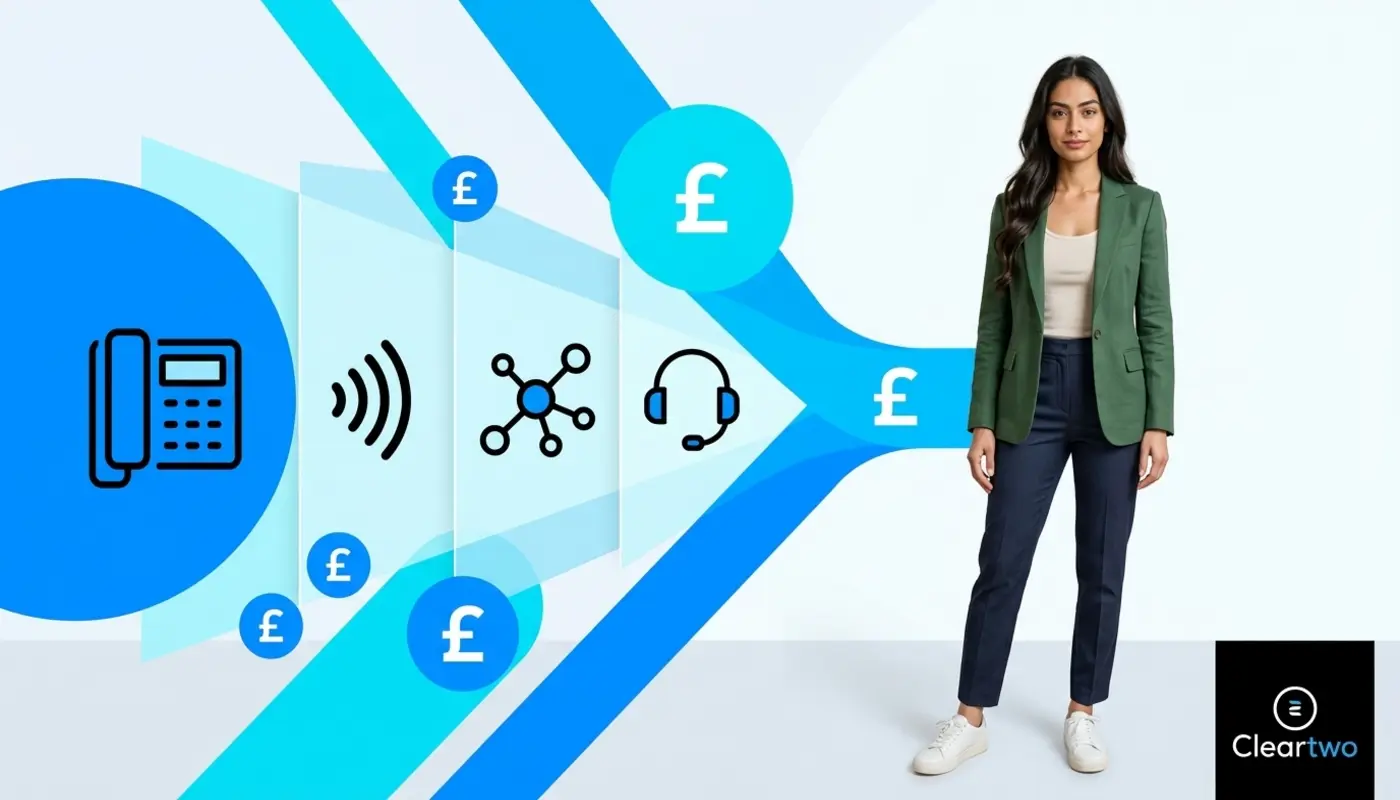
Digital marketing means using online channels like Google, websites, social media, email, paid adverts and content to attract customers and generate sales. If you search for What Is Digital Marketing Explain with Examples, the simple answer is this. It is how businesses get found, get trusted and get enquiries online. Cleartwo helps UK businesses turn these channels into clear systems that support real growth.
Digital Marketing Explained Simply
For UK businesses, digital marketing is not just posting on Instagram or running the odd advert. It is a joined up way of reaching the right people at the right time. They may be searching on Google, comparing suppliers, reading reviews or checking your website before they call.

Here's the thing. Most business owners do not need more buzzwords. They need to know which online marketing strategies bring traffic, enquiries, bookings, repeat customers and revenue.
That is where Cleartwo helps. We cut through the noise with digital marketing solutions, web development services, ecommerce marketing, CRM support, IT support for businesses and AI driven solutions. The focus is simple. Commercial goals, not vanity numbers.
What Digital Marketing Means
Digital marketing is the use of digital channels to promote a product, service or brand. These channels include search engines, websites, social platforms, email, online adverts, video, apps and digital displays.
The main difference from traditional marketing is measurement. You can track clicks, visits, enquiries, bookings, purchases and revenue. That means you can stop guessing and start improving.
The UK Government guidance on marketing and advertising law is a useful reminder that online promotion must be clear, honest and responsible. On the ground, digital marketing is about using the right tools to grow your business without confusing customers or wasting budget.
Main Digital Marketing Channels
Digital marketing channels are the routes people use to find and engage with your business online. Some channels can bring fast results, such as Pay Per Click adverts. Others build long term value, such as SEO and content marketing.
You do not need to master every channel from day one. You need to know what each one does. Then you can choose the channels that match your market, budget and goals. Where are your leads coming from right now?
- SEO website traffic
- Google paid adverts
- Social media reach
- Email customer retention
- Content lead generation
- LinkedIn business to business growth
- Analytics performance tracking
Search Engine Optimisation
Search Engine Optimisation, or SEO, helps your website appear higher in search results when people look for what you sell. For example, a Manchester furniture shop may want to appear when someone searches for oak dining tables near me.
SEO includes keyword research, useful content, fast website performance, local listings, backlinks and technical fixes. It takes time. But once the base is right, it can become one of your strongest sources of website traffic.
Pay Per Click And Google Ads
Pay Per Click, often called PPC, means you pay when someone clicks your advert. Google Ads is the best known example. It places your business in front of people who are already searching.
This is useful for service businesses that need enquiries quickly. A plumber, solicitor, clinic or accountant can launch a focused campaign and start getting calls the same day. The targeting and landing page need to be right.
Social Media Marketing
Social media marketing uses platforms like Instagram, Facebook, TikTok and LinkedIn to build awareness, trust and action. It works well when your audience needs to see your personality, proof and offers before buying.
For restaurants, fashion brands and local businesses, social media can make people feel connected. It can also support paid social advertising. Meta Ads can help you reach people based on interests, behaviour and location.
Email Marketing
Email marketing means sending useful and timely messages to people who have allowed you to contact them. It can include welcome emails, offers, newsletters, abandoned basket emails and post purchase follow ups.
This is where ecommerce brands often win. Getting a new customer is expensive. Turning one time buyers into repeat customers improves profit without always needing more advert spend.
Content Marketing
Content marketing means creating helpful content that answers your audience's questions. This could include blogs, guides, FAQs, videos, case studies or comparison pages.
Good content builds trust before someone speaks to your team. If you want to understand this channel in more detail, read this Cleartwo guide on how content marketing supports digital marketing.
LinkedIn Marketing For Business To Business
LinkedIn marketing helps business to business companies reach owners, directors, managers and decision makers. It works best when the content is useful, specific and credible.
A business to business company might share advice, client lessons, market insight and proof of results. Over time, this builds authority and opens better conversations with the right people.
Example One A UK Retail Brand Uses SEO
A UK retail brand sells homeware online and also has a physical showroom. Before SEO, most sales come through word of mouth and paid adverts. The website looks good, but Google sends very little traffic.
The team starts by improving category pages. They add clear product descriptions, buyer guides, internal links and local showroom details. They also create helpful blogs around questions customers already search for.
After several months, Google starts sending thousands of relevant visitors every month. The brand is not paying for every click. The lesson is simple. SEO takes patience, but strong foundations can reduce reliance on adverts.
Example Two A UK Service Business Uses PPC
A local service business needs enquiries fast. Waiting six months for SEO is not the priority right now. So they launch a Google PPC campaign for high intent searches in their local area.
They do not send traffic to the homepage. They build a focused landing page with one service, one location, clear benefits, reviews and a contact form. The advert points only to that page.
By lunchtime, enquiries start coming in. Not every click converts. Not every lead is perfect. Real talk, PPC needs close checks at the start. But it can create pipeline quickly when it is built properly.
Example Three A UK Restaurant Chain Uses Social Media
A restaurant chain wants more midweek bookings. Instead of posting random food photos, they create a plan around offers, behind the scenes clips, customer moments and local events.
They use Instagram Reels to show the atmosphere. They use Facebook posts for family offers. They use paid social adverts for people within a few miles of each branch. The message is simple. It shows the food, the feel and the reason to book now.
What actually happens is that social media turns interest into action. People tag friends, save posts and book tables. The following grows, but the real win is fuller restaurants on quieter days.
Example Four A UK Ecommerce Brand Uses Email
A UK ecommerce brand sells skincare products. Sales are coming in, but too many buyers only purchase once. That means the brand keeps spending money to replace customers instead of building loyalty.
They set up a welcome email, a product education sequence, a refill reminder and a post purchase review request. They also group customers based on what they bought.
Now customers get more relevant messages. Someone who bought a cleanser gets a routine suggestion, not a random discount. This improves repeat sales and supports ecommerce automation without making the brand feel robotic.
Example Five Cleartwo Uses Content Marketing
Cleartwo uses content marketing to help UK businesses get found when potential customers are already looking for answers. This might be a guide on SEO, a blog about PPC, or a clear explanation of cloud CRM and custom CRM systems.
The point is not to publish content for the sake of it. The point is to answer the questions buyers ask before they are ready to speak to sales. If your customers ask the same questions again and again, that is a sign you need better content.
Strong content also supports SEO, social media and email. One helpful guide can rank on Google, be shared on LinkedIn, appear in newsletters and support sales conversations. That is just the beginning.
Example Six A UK B2B Company Uses LinkedIn
A UK business to business company provides specialist equipment to manufacturers. Their buyers are not using TikTok for this type of purchase. They are on LinkedIn, reading industry updates and checking credibility.
The company starts sharing practical posts from directors and technical staff. They explain common mistakes, buying points, maintenance tips and project lessons. No waffle. Just useful insight from people in the trenches.
Over time, prospects start recognising the company. Sales conversations become warmer because the audience already trusts the expertise. LinkedIn does not replace outreach, but it makes outreach more effective.
Example Seven Cleartwo Uses Paid Social Advertising
Cleartwo uses paid social advertising to help UK brands test offers, creative ideas and audiences through platforms like Meta Ads. This is useful for ecommerce brands, local services and campaign based businesses.
The process starts small. Test different messages, images, videos and landing pages. Then move budget towards the adverts that bring the best return.
Paid social is not magic. If the offer is weak, the website is slow or tracking is broken, money can disappear quickly. But when the strategy, creative and data line up, it becomes a strong sales channel.
Why UK Digital Marketing Works Best Across Channels
The best UK digital marketing strategies do not rely on one channel. A single channel can work, but it creates risk. If advert costs rise, rankings drop or social reach changes, your pipeline feels it straight away.
A stronger approach combines owned, paid and earned activity. Owned channels include your website, blog, email list and social profiles. Paid channels include PPC, display adverts and paid social. Earned channels include reviews, backlinks, referrals and social shares.
For example, SEO brings steady traffic. Content builds trust. Email improves retention. PPC creates fast enquiries. Add analytics reporting and you can see what is working. That is how you build a proper joined up marketing approach.
This also connects to business automation. A lead from an advert can enter a CRM, trigger a follow up email and alert the sales team. Add AI marketing tools carefully, and your team can save time while keeping the human touch.
How To Choose The Right Digital Marketing Examples
Start with your business model. A restaurant needs bookings. An ecommerce brand needs online sales. A business to business company needs conversations with decision makers. A local service business needs calls and forms.
Then look at your timeline. If you need enquiries this week, PPC or paid social may be the first move. If you want long term visibility, SEO and content should be part of the plan.
Next, check your website. This is where many businesses lose money. You can have brilliant adverts, but if the page is slow, unclear or hard to use, people leave. For that reason, marketing and web design and development should work together.
Finally, track the right numbers. Do not only look at likes or impressions. Look at enquiries, sales, cost per lead, return on advert spend, conversion rate and repeat purchase rate. Which numbers are telling you the truth right now?
A Simple Ninety Day Digital Marketing Plan
In month one, get your foundations sorted. Set up analytics. Review your website. Check your Google Business Profile. Fix basic SEO issues. Make sure your contact forms work properly. If people cannot contact you easily, every campaign becomes harder.
In month two, launch one focused growth channel. That could be Google Ads for enquiries, paid social for ecommerce, or email marketing for existing customers. Keep it tight. Do not spread budget across too many tests.
In month three, create content based on real customer questions. Build FAQ pages, guides and useful articles. Then review the data and double down on what is producing enquiries, bookings or sales.
If you want to move faster, combine marketing with customer systems. Cloud CRM, custom CRM systems, IT security for SMEs and business automation can help you capture enquiries, follow up faster and protect customer data. That is where digital growth becomes operational growth.
Frequently Asked Questions
What Is Digital Marketing In Simple Words?
Digital marketing is promoting your business through online channels like Google, websites, social media, email and paid adverts. The goal is to attract the right people and turn them into customers.
What Are Digital Marketing Examples For Small Businesses?
A small business might use SEO to appear on Google, PPC to get quick enquiries, social media to build trust and email marketing to bring customers back. Each channel plays a different role in growth.
Which Digital Marketing Channel Works Fastest?
PPC and paid social usually work fastest because they can send traffic as soon as campaigns go live. SEO and content take longer, but they can build stronger long term visibility.
Do UK Businesses Need Every Digital Marketing Channel?
No. Trying to do everything at once often creates confusion. Start with the channels that match your customers, budget and goals. Then expand once you have clear data.
How Do I Know If Digital Marketing Is Working?
Track practical numbers like website visits, enquiries, cost per lead, sales, repeat purchases and return on advert spend. If those numbers improve, your marketing is moving in the right direction.