

Have you ever considered starting your own e-commerce business in the UK but don’t know how to start? If yes, you are in the same boat as many other people. Starting an online shop might come across as simple as heating the kettle and waiting for a cup of your favorite brew, but it is quite more complicated. It’s like going through a maze in Trafford Centre without any guiding map from legal jargon to finding the right-selling platform. Thus, what are the steps to starting on the right foot?
As per the data, the UK e-commerce market looks like it is going to be very powerful in the coming couple of years with a projection of the e-commerce business of £100 billion by 2026. However, just like in any other booming sector, there are hidden challenges in the e-commerce scene, but there is also a lot of competition. The good thing is that this article will orient you with a step-by-step format for beginners through every goal, demystifying the process, and giving you a firm base in the digital experience.
That's what cleartwo is all about! They are here to help you with their local knowledge and innovative technology. cleartwo is the secret key that opens the lock of the support that you need to solve the tricky parts of your business. They can do everything from starting your website, installing software to ensure your store meets all the health and safety requirements, to walking amicably with you and not leaving you in the hard jungle of ecommerce.
Step 1: Validate Your Niche and Business Model
Before you spill your heart (and wallet) into your online venture, it is vital to first decide what exactly you are going to sell and to who you will be selling it. Think of this way, if you pitch a stall in front of the mulled wine and the mince pie stand at Manchester’s Christmas Markets, you will want to come up with an idea that separates you from the rest and yet at the same time is more appealing to the crowd.
Let's begin with research. Utilize resources such as Google Trends to analyze local and national consumer trends. Are you thinking of selling eco-friendly home decor items, quirky gifts, or perhaps regional fashion? A niche that has demand but is not overcrowded by other sellers should be the aim. Think of it as a search for the best fish and chips on your block: you want the best taste without the queue that makes it unbearable.
Your next decision is picking the business model. Dropshipping is more common for fresh starters, it is like making pies at the market without the messiness of cooking. You do not keep stock; the distributor sends the goods directly to the customer. On the other hand, private labelling or making your manufactured goods by yourself entails more independence on your part, but it requires an initial investment. Whatever you choose, confirm that it conforms with your budget, your skills, and your goals. That's the wise choice.
Although the market is online, keep a local mindset—check for regional preferences or gaps that you can fill. Remember as well to carry out a thorough analysis of your competitors; you can’t just be another similar online shop or else you are going to be lost in the crowd.

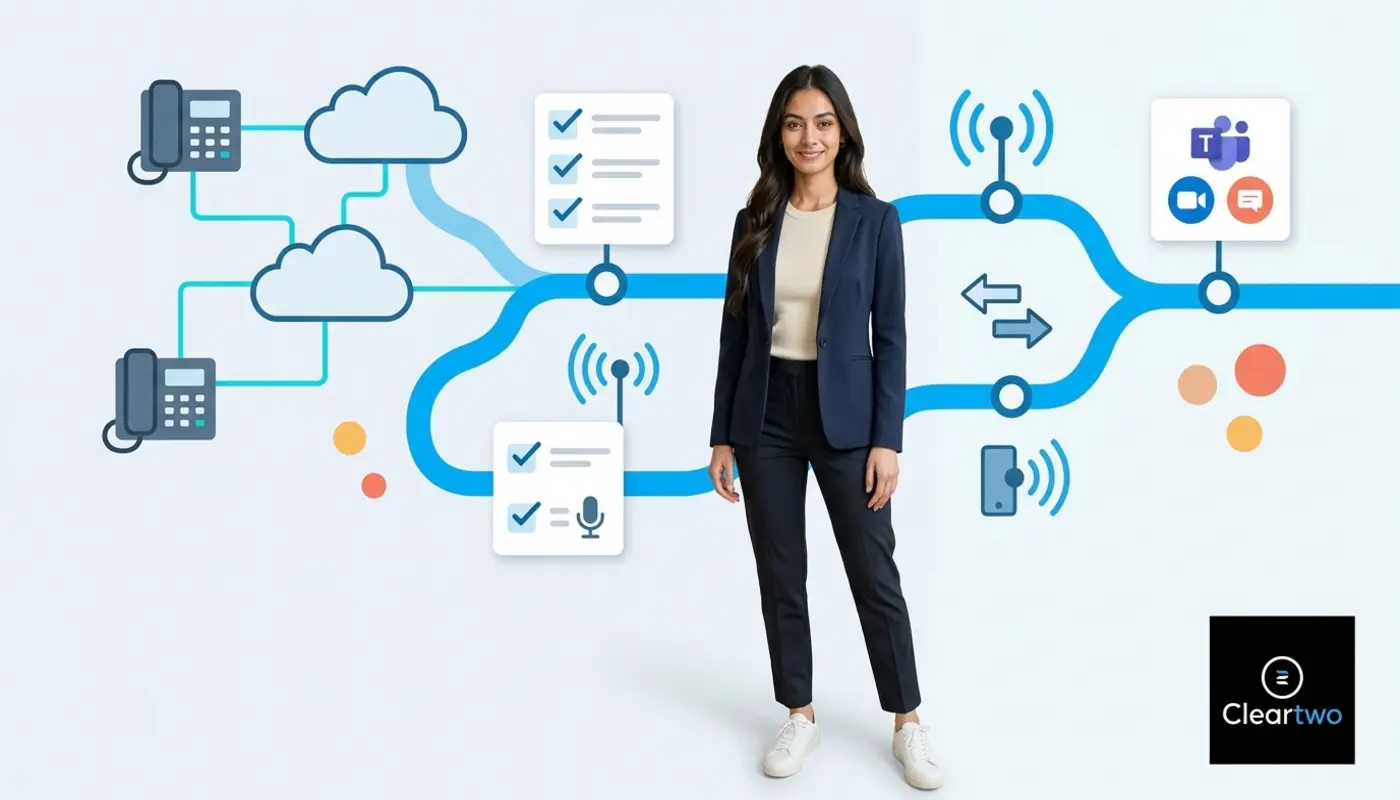
Image shows a simplistic roadmap of starting an online shop covering legal registration, choosing platforms, and marketing strategies.
Step 2: Legal Setup and Official Registration
Sorting out this bit feels nearly as fun as doing council tax but I promise it is important. You will need to decide on the business structure that you want as most of the beginners prefer the sole trader or limited company.
A sole trader setup is the most straightforward. You become the manager, claiming credit for success and also the one accountable for everything. The whole process of starting is easy; you need to fill self-assessment by registering with HMRC. But you should realize that if you are a sole trader, your private assets are and business debts are as intertwined as old-school sneakers.
On the other hand, if you go limited, you get an extra protective layer. Your money is separate from your business, which is crucial when you are planning to expand or attract investors. The registration with Companies House costs £12 online and also you will need to file annual accounts and tax returns, which may require proper administration but will be worth it.
Once you decide the structure, apply for VAT if you think you will exceed the threshold of £90,000 turnover per year. This means you will charge VAT on sales but will be able to recover it on purchases. Just like recouping the topping of your Oyster card for commuting, but for your shop.
Be mindful of the legal must-haves. You need to be compliant with GDPR, consider consumer rights such as 14-day return policies. It’s like abiding by the rules of fair play in sports. Follow the rules correctly, and your business will stay on course.
To carry this smooth, cleartwo can help with your compliance and setup ensuring you are above board and properly sorted without the hassle of doing everything by yourself.
Step 3: Choose Your E-commerce Platform and Build Your Store
Choosing a platform to sell your goods and services online is a lot like joining your favorite pub. It most certainly should accommodate your taste, crowd, and the cost. Shopify and cool WooCommerce are two great alternatives, both have advantages.
Shopify is a great idea in terms of simplicity and also as an all-in-one platform. This one is like going to Curry Mile Avenue – it has got everything a beginner needs.
WooCommerce is the WordPress plugin, so it's best if you want a bit of hands-on or already have a WordPress site. It is very flexible, just like a good old-fashioned market stall that you can slowly refurbish. That’s clever and local.
Most platforms offer mobile-friendly themes, which is vital as many customers now shop on their mobiles (think of queuing at the Trafford Centre’s checkout). Mobile optimization is the way forward.
Teaming up with an expert web developer like cleartwo is the wise thing to do. Their crew can tailor your store, speed up checkout procedures, and make sure everything runs smoothly like a fresh VB. They have got your back the entire journey.
Step 4: Source Products and Manage Fulfilment
After the initial decoration of your store, the subsequent step of sourcing the real products needs to be backed by a sound plan. Choose between wholesale, dropshipping or making your own – whatever suits you best. It is essential to be precise about delivery time and quality control. There is nothing that customers abhor more than their orders taking longer time than the Metrolink during rush hour, right?
For UK delivery, whereas Royal Mail and even Evri form solid delivery partners in the aspect of speed and pricing per requirement. Subscription boxes and eco-friendly packaging are in trends, they are like the oat milk latte of the ecommerce world – more sustainable and preferred. That high-level future proof is!
Step 5: Set Up Payments and Ensure Compliance
When it comes to receiving money in a straightforward manner, you want to ensure that it is also secure. stly
Accepting payments is as easy as adding the PayPal, Stripe, or Klarna options to your site. Think of it as a complimentary drink at the bar – your customers appreciate flexibility and it adds to your sales flow too.
Keeping your store GDPR compliant entails correctly managing customer data thus no unauthorized intrusions are allowed. Moreover, your returns policy should be transparent and customer service should be given priority. This is the online store analogy of a friendly shopkeeper who knows your name. That personal touch counts, even if it is online.
Step 6: Marketing Your Store and Future Growth Strategies
The magic of marketing is seen here. Getting your store seen is like yelling “fresh pies!” on a bustling road. Your market street is SEO, folks. Good old keyword analysis plus the right keyword product description get the extra attention.
Social media is your friend who delivers the message to his mate – platforms like Instagram, TikTok Shop and Meta ads give you a direct line to younger shoppers or niche audiences. And here is a tip for you: the AI personalization tools are about to be the secret sauce for 2026, the customers get offers they did not even know they wanted. Watch this space for details on the latest industry trends.
Digital marketing professionals at cleartwo lend their support with campaigns, SEO, and smart automation so that you do not spend all day in front of computzers. True time-savers, you know?
Costs, Funding and Scaling Your Business
The startup of an online store doesn’t always require huge funds. A small-scale business can initiate activities from £5000 to £20000 it all depends on their product selection, the types of platforms they choose, as well as the marketing range, it is a bit like you sorting out your first flat in Manchester.
You can apply for some government grant schemes for small businesses or look into the funding platforms such as Startup Loans. Concerning cash flow, you should be careful, as you grow. Remember that fast sales do not always mean quick payments in your bank, so avoid getting caught unprepared.
To grow you could scale more product lines, sell on marketplaces like Amazon UK, or even create an app for mobile shoppers – all good strategies for tapping the growing e-commerce market in the UK as predicted by research.
Quick Checklist to Launch an E-commerce Business in 30 Days
Think of this checklist like a properly brewed cuppa from your local café, simple, sound steps to kick off smart:
- Choose your niche
- Select business model
- Register business officially
- Pick ecommerce platform
- Source products smartly
- Set up payments & compliance
- Start marketing campaigns
- Plan funding & scale
Starting your online business is like mastering the best cuppa in your local cafe—takes some practice, right tools, and a bit of local know-how. Keep it clever, keep it proper, and if you ever feel a bit lost, the pros at cleartwo have your back with the tech and marketing smarts you need to thrive.
For more guides on tech and digital marketing that keep you a step ahead, check out cleartwo’s SEO agency in London and their helpful resources on building your brand online.