
<---INTRODUCTION--->
Introduction
#
Graphic design is more than creating visually appealing graphics; it’s about communicating a message clearly and memorably. From a small logo to a full-scale website layout, effective design requires strategy, creativity, and an understanding of how visuals influence perception.
#
This guide explores the key principles of graphic design that ensure your work is not only beautiful but functional, engaging, and impactful.
#
Core Principles of Effective Graphic Design
#
1. Start with a Strong Concept
#
Every great design begins with a clear concept. Understanding the project’s purpose, audience, and message helps create visuals that resonate.
#
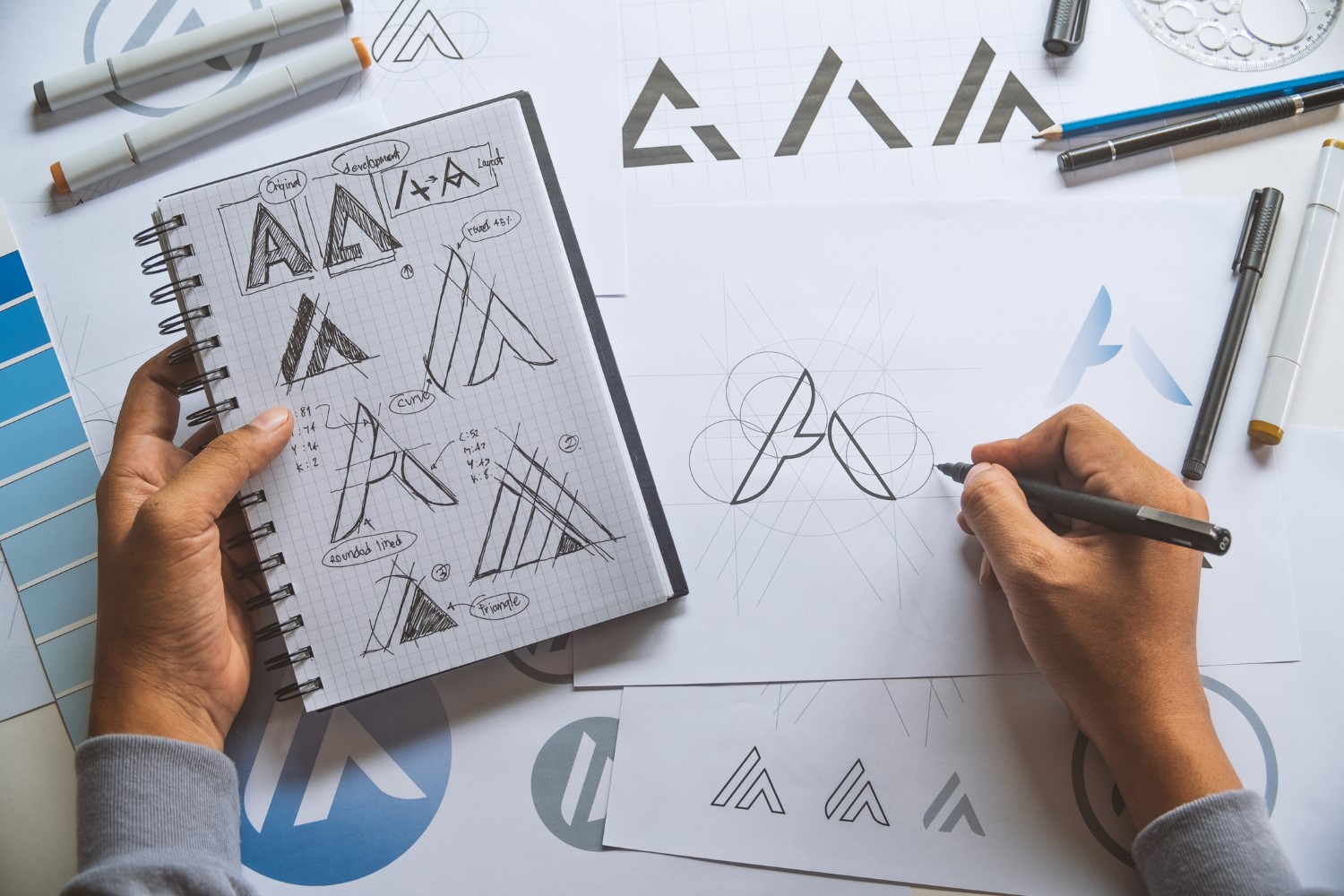
Tip: Sketch ideas, create mood boards, and define the problem you’re solving before moving to digital tools.
#
2. Master Typography
#
Typography conveys tone, hierarchy, and readability. Choosing the right fonts and arranging text effectively ensures your message is communicated clearly.
#
Tip: Pair fonts thoughtfully, use hierarchy to guide attention, and maintain legibility across all devices or mediums.
#
3. Use Color Strategically
#
Color evokes emotion and establishes identity. Effective use of color enhances branding, sets mood, and draws attention to key elements.
#
Tip: Limit your color palette, use contrast for emphasis, and consider cultural and psychological associations of colors.
#
4. Create Balance and Alignment
#
Visual balance ensures designs feel organized and aesthetically pleasing. Alignment creates a structured, professional appearance.
#
Tip: Use grids, symmetry, and consistent spacing to maintain balance across layouts and elements.
#
5. Establish Visual Hierarchy
#
Hierarchy guides the viewer’s eye through a design, highlighting the most important information first.
#
Tip: Use size, color, and placement strategically to emphasize key elements such as headings, logos, and CTAs.
#
6. Leverage White Space
#
Whitespace (or negative space) improves readability, focus, and visual flow. Designs feel crowded without adequate breathing room.
#
Tip: Don’t be afraid to leave empty space around key elements—it enhances clarity and elegance.
#
7. Consistency is Key
#
Consistency across fonts, colors, and style reinforces branding and builds trust. A cohesive design system ensures all materials feel part of the same visual language.
#
Tip: Create a style guide to standardize visual elements across all projects.
#
8. Test and Iterate
#
Even experienced designers refine their work through testing and feedback. Iteration ensures the design functions as intended and appeals to the audience.
#
Tip: Collect feedback, analyze user interaction, and make adjustments before finalizing designs.
#
FAQs About Graphic Design Principles
#
Q1: Why is concept more important than aesthetics?
A: A visually appealing design without a clear concept may fail to communicate the intended message or achieve the project’s goal.
#
Q2: How many fonts should I use in a design?
A: Typically, 2–3 fonts work best. More fonts can create confusion and reduce readability.
#
Q3: What is visual hierarchy?
A: Visual hierarchy is the arrangement of elements to show their order of importance and guide the viewer’s attention.
#
Q4: Why is white space important?
A: White space improves readability, reduces clutter, and gives important elements room to stand out.
#
Q5: How can I ensure consistency across designs?
A: Use style guides, templates, and brand standards to maintain uniformity in fonts, colors, and visual elements.
#
Conclusion
#
From logos to layouts, effective graphic design combines creativity, strategy, and usability. By mastering typography, color, balance, hierarchy, and consistency, designers can produce work that not only looks stunning but communicates clearly and resonates with audiences.
#
Remember, strong design is purposeful, thoughtful, and audience-focused. Applying these principles will help you create graphics that leave a lasting impression and elevate any brand or project.
#