
Introduction
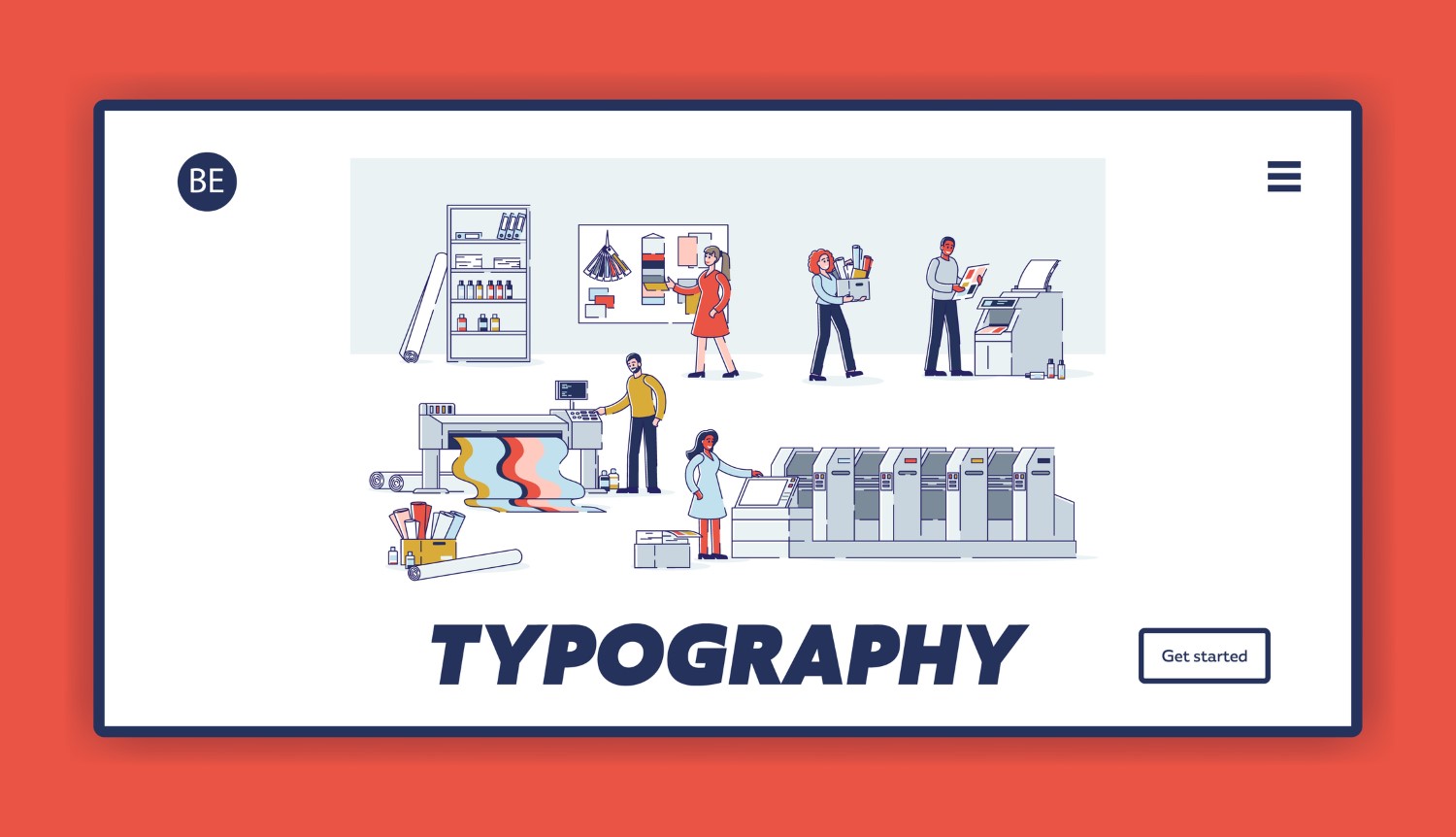
Typography is more than just choosing fonts—it’s the art and science of arranging type to communicate effectively and enhance visual design. In graphic design, text carries meaning, sets the tone, and guides the audience’s attention. Poor typography can weaken a message, while thoughtful typography can elevate a design from ordinary to extraordinary.
This guide explores the importance of typography, practical techniques for making text work, and best practices for creating compelling designs.
The Role of Typography in Design
1. Communicating Tone and Personality
Fonts convey emotions and brand personality. For example:
-
Serif Fonts: Tradition, sophistication, professionalism
-
Sans-Serif Fonts: Modernity, clarity, simplicity
-
Script Fonts: Elegance, creativity, personalization
Strategy: Match your font choice to the message and audience to ensure alignment between visuals and communication goals.
2. Enhancing Readability and Legibility
No matter how beautiful a font is, if the text is hard to read, the design fails.
Tips:
-
Maintain appropriate font size and line spacing.
-
Avoid excessive decorative fonts for body text.
-
Ensure contrast between text and background.
3. Creating Hierarchy and Focus
Typography guides the viewer’s eye through a design. Headlines, subheadings, and body text should be clearly distinguished to emphasize important information.
Strategy:
-
Use size, weight, and color to highlight key elements.
-
Apply consistent hierarchy rules across all pages or screens.
4. Pairing Fonts Effectively
Combining fonts requires balance to prevent visual clutter. Successful pairings often include one dominant font and a complementary secondary font.
Tips:
-
Pair serif and sans-serif fonts for contrast.
-
Limit the number of fonts to 2–3 per project.
-
Ensure paired fonts share visual harmony.
5. Considering Alignment and Spacing
Proper alignment and spacing create a clean, organized layout. Typography isn’t just about font choice—it’s about placement, kerning, and leading.
Strategy:
-
Align text consistently for a polished look.
-
Adjust kerning for readability and aesthetics.
-
Use leading (line spacing) to prevent cramped or overly spaced text.
6. Responsive Typography for Digital Design
In digital platforms, typography must adapt to various devices and screen sizes. Ensure text remains legible and visually balanced on desktops, tablets, and mobile devices.
Tips:
-
Use relative units (em, rem) for scalable text.
-
Test typography across multiple resolutions.
-
Prioritize clarity over decorative elements.
FAQs About Typography in Graphic Design
Q1: Why is typography so important in design?
A: Typography conveys tone, guides the viewer, enhances readability, and strengthens brand identity. Well-executed text can make a design more persuasive and memorable.
Q2: How many fonts should I use in one design?
A: Typically 2–3 fonts. Too many fonts can make a design look chaotic and unprofessional.
Q3: What is the difference between legibility and readability?
A: Legibility is how easily individual letters can be distinguished. Readability is how easily a block of text can be read and understood. Both are essential for effective typography.
Q4: Can I use decorative fonts for headings?
A: Yes, decorative fonts can be effective for headlines, but avoid using them for body text to maintain readability.
Q5: How do I learn to pair fonts effectively?
A: Study successful designs, use online font pairing tools, and practice creating contrast while maintaining visual harmony.
Conclusion
Typography is a cornerstone of graphic design—it shapes perception, guides attention, and reinforces messaging. By understanding font choice, hierarchy, spacing, and alignment, designers can make text work for their visuals rather than against them.
Whether for print, web, or social media, mastering typography elevates your designs, enhances communication, and ensures your message is both seen and felt. Great typography doesn’t just look good—it speaks, influences, and engages your audience.