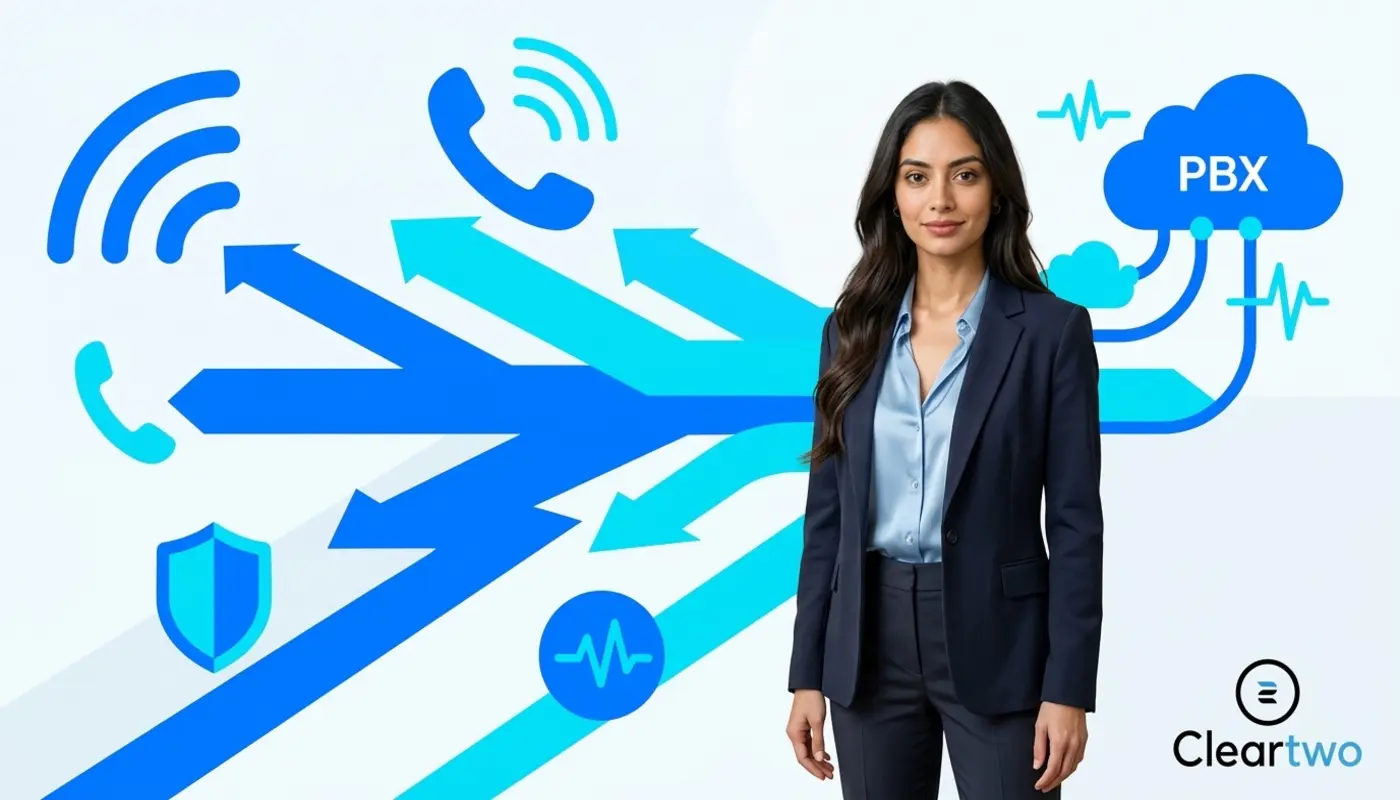


The Rise Of Autonomous IT In UK Businesses
Let’s tackle this together. Autonomous IT might sound futuristic or even a bit intimidating. But here’s the thing. It simply means IT systems that can manage themselves using artificial intelligence.
In plain English, Autonomous IT uses AI driven solutions to monitor, fix, and improve technology without constant human input. No endless manual checks. No firefighting every five minutes. Just smarter systems doing the heavy lifting.
And right now, that matters more than ever. Businesses rely on cloud CRM platforms, digital marketing systems, and everyday IT support to keep things moving. If those systems go down, everything stalls. If you have ever felt that sinking feeling before a big client demo when something crashes, you know why this matters. That is exactly where Autonomous IT steps in. Cleartwo is already helping organisations move in this direction with practical and manageable AI adoption.
Why Autonomous IT Matters Right Now
Here’s the thing. Traditional IT waits for something to break. Autonomous IT spots the problem before you even know it exists.
It brings together business automation, observability tools, anomaly detection, and machine learning. The goal is simple. Reduce downtime. Improve performance. Cut costs. If you want a more technical breakdown, IBM explains AIOps clearly in their AIOps overview. But let’s keep this practical.
If you have ever dealt with slow systems or unexpected outages, you will understand why proactive IT matters. It aligns closely with the approach explained in IT support for businesses, where prevention beats reaction every time.
Key AI Technologies Powering Autonomous IT
Let’s make this simple. Autonomous IT relies on a few core technologies that work together behind the scenes.
These include:
- Machine learning models
- Anomaly detection systems
- Predictive analytics engines
- Observability platforms
- Automated remediation tools
- Cloud monitoring dashboards
- Security intelligence layers
Machine learning spots patterns you would probably never notice. Anomaly detection raises a flag when something looks off. Predictive maintenance forecasts hardware or software failure before it happens. When combined, they create something close to self managing infrastructure. Think of it as a very alert digital assistant who never sleeps.
The Journey From Manual IT To AI Driven Systems
Don’t worry, we have all been there. Staring at dashboards that look like alien control panels. Manual IT meant humans watching alerts, logging tickets, and fixing issues one by one. Necessary? Yes. Exhausting? Also yes.
Then came automation. Scripts handled repetitive jobs. That helped, but it still needed supervision.
Now we have AI driven systems. They learn patterns. They predict failures. They trigger automated incident response without waiting for approval. If you want the foundations explained clearly, The Basics of AI breaks it down in a straightforward way.
Self Healing Networks And Infrastructure
This is where things get impressive. Self healing infrastructure can detect a fault and fix it automatically.
If a server starts overheating, the system reallocates workloads. If a network node fails, traffic reroutes instantly. No frantic calls. No emergency patching at midnight. No cold coffee at 2 am.
This approach links directly to modern networking infrastructure solutions that focus on resilience and performance. Businesses running online stores or complex websites cannot afford downtime. Autonomous IT keeps everything steady in the background so you can focus on growth instead of damage control.
AI Powered Cybersecurity And Threat Detection
Let’s be honest. Cyber threats are not slowing down.
AI powered cybersecurity tools analyse behaviour, not just known attack patterns. They detect unusual login activity. They flag suspicious data transfers. They can even isolate compromised systems automatically.
This is especially important for smaller businesses without large security teams. AI helps close that gap. If you are exploring practical steps, our guide on IT cybersecurity solutions shows how intelligent monitoring strengthens protection without making things feel overwhelming.
Automating IT Operations With AIOps
AIOps stands for artificial intelligence for IT operations. It sounds technical, but it is not as scary as it seems.
It gathers data from logs, metrics, and events. Then it runs root cause analysis automatically. Instead of 200 alerts flying at your team, you get one clear insight that actually makes sense.
For organisations managing CRM platforms and cloud systems, this is powerful. Instead of drowning in notifications, teams get focused answers. Cleartwo supports this shift through AI automation solutions that simplify operations without overwhelming staff.
The Role Of Machine Learning In Predictive Maintenance
Between you and me, predictive maintenance is one of the most practical uses of machine learning.
Rather than waiting for hardware failure, algorithms analyse usage trends and predict when equipment might fail. Then maintenance happens at the right time. Not too early. Not too late. A balanced approach that saves money and stress.
This concept connects closely with AI driven insights in analytics and forecasting. Our article on AI analytics and forecasting explains how predictive insights reduce costs and improve planning in a clear and manageable way.
Autonomous IT In Cloud And Edge Computing
Cloud environments are complex. Hybrid setups can feel slightly chaotic without the right systems in place.
Autonomous IT monitors workloads across cloud infrastructure solutions. It balances traffic. It scales resources automatically. It prevents bottlenecks before users notice.
For companies running high traffic platforms, consistent performance is crucial. Cleartwo supports scalable environments designed for flexibility and growth, so your systems keep up even when demand spikes.
Challenges And Risks Of Autonomous IT
Now let’s not pretend it is perfect.
Autonomous systems can make incorrect assumptions if the data feeding them is poor. Governance matters. Accountability matters. Who is responsible when AI takes action?
Transparency and human oversight are essential. Responsible adoption includes audits, monitoring, and training. Our blog on The Risks and Rewards of AI explores this balance clearly.
You do not need to hand over everything at once. Many organisations start with partial automation, build confidence, then scale gradually with the right guidance.
The Future Workforce In An Autonomous World
Here is the big question. If IT becomes autonomous, what happens to IT professionals?
They evolve. Instead of constantly fixing servers, they design smarter systems. Instead of reacting to outages, they focus on optimisation, strategy, and innovation.
Skills shift towards AI oversight, data analysis, and digital transformation. Cleartwo supports teams through digital skills training so no one feels left behind.
This is not about replacing people. It is about freeing them from repetitive tasks so they can focus on higher value work that moves the business forward.
Why Autonomous IT Is A Smart Strategic Move
UK organisations face rising costs, growing security threats, and constant pressure to do more with less. Autonomous IT reduces reactive stress and creates breathing room for smarter decisions.
It means fewer emergency calls. Fewer surprise outages. Stronger protection around sensitive data. More predictable performance across your systems.
If you want a broader view of how AI fits into daily operations, AI solutions for business operations gives a practical overview.
It is not about handing the keys to a robot and walking away. It is about using smart tools while keeping smart people in control. That is where Cleartwo focuses. No hype. No science fiction promises. Just clear and manageable progress.
Frequently Asked Questions
What Is Autonomous IT In Simple Terms?
It is IT systems that use artificial intelligence to monitor and fix themselves with minimal human intervention.
Is Autonomous IT The Same As AIOps?
Not exactly. AIOps is a key part of Autonomous IT. It focuses on using AI for IT operations, while Autonomous IT is the broader vision of self managing systems.
Is Autonomous IT Safe For Small Businesses?
Yes, if it is implemented properly and not rushed. With good governance and oversight, it can improve security and reduce risk.
Will AI Replace IT Support Teams?
No. It shifts their role. Teams move from reactive fixes to strategic planning, oversight, and system optimisation.
How Can A Business Start Moving Towards Autonomous IT?
Start small. Introduce AI driven monitoring, automated reporting, and predictive analytics. Build confidence. Then scale gradually with expert guidance from providers like Cleartwo.
Let’s be honest. Autonomous IT is not science fiction anymore. It is practical. It is already happening. And together, we can sort it out in a way that feels manageable and secure. You have got this.