
CRM In Business
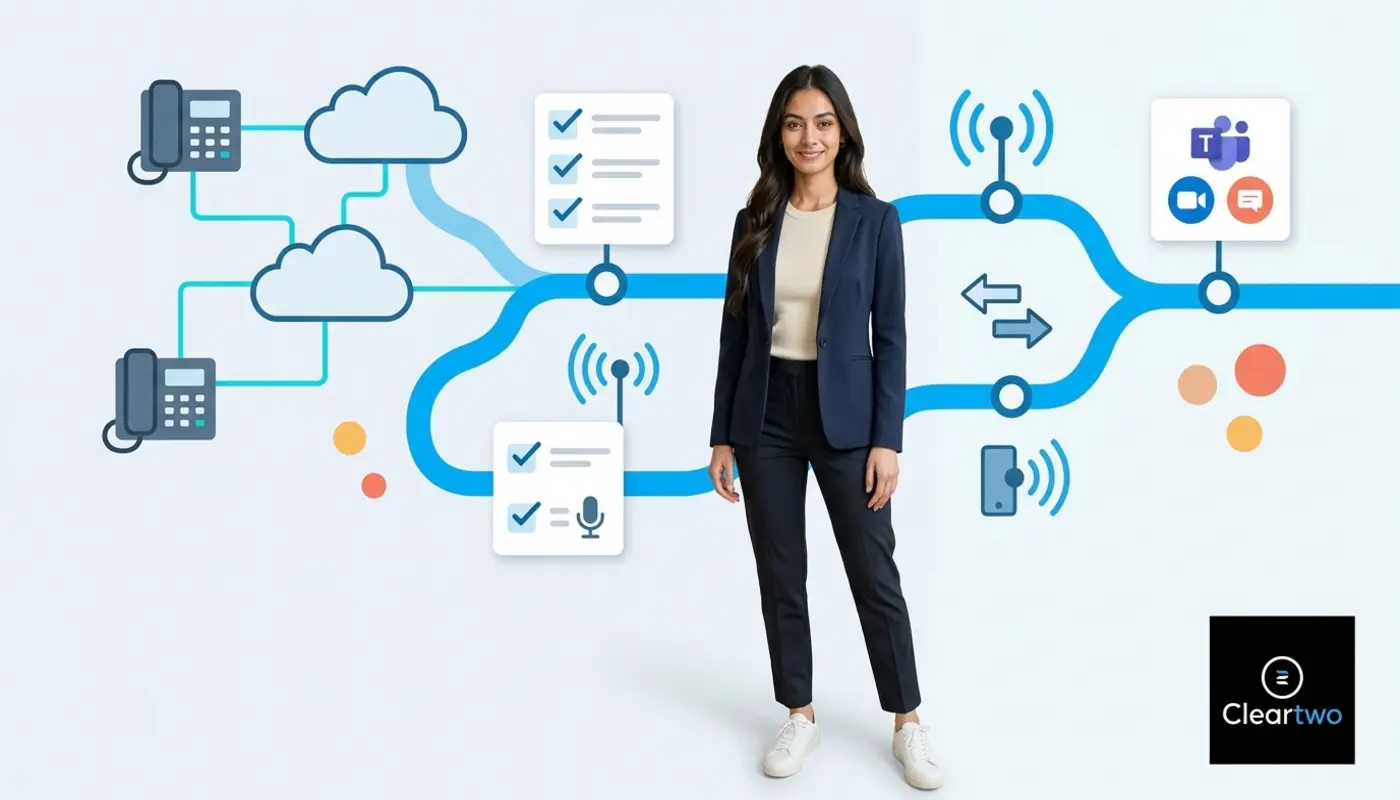
CRM stands for Customer Relationship Management. In business, it means the way a company manages customer data, sales talks, marketing activity, service requests and long term relationships in one clear system. It brings customer details into one shared space, so every team can see the same story. For UK companies that want a practical setup, Cleartwo CRM solutions help turn scattered customer information into a joined up way of working.
CRM is not only software. It is the place where every customer conversation, follow up and service moment comes together. It helps your team understand people better, reply faster and create a steady customer experience from the first enquiry to repeat purchase.
Many businesses still keep customer notes in spreadsheets, inboxes, notebooks or memory. That makes work harder than it needs to be. Cleartwo helps UK businesses shape CRM around real workflows. This means choosing the right platform, linking useful data, supporting staff and building a system that feels natural to use every day.
CRM In A UK Business Context
In a UK business context, CRM means one trusted place for customer records, sales notes, email history, quotes, support requests and marketing choices. It gives teams a single customer view. No one has to search through inboxes or old files to understand what happened last. For a plain guide to practical CRM use, this practical guide to customer relationship management platforms is a useful next read.
Think about a sales call. Without CRM, the customer story may sit in one person’s memory. With the right CRM platform, that story is clear, organised and ready for the next person who needs it. Your team can find the last conversation in seconds.
For UK organisations, CRM must also support good data care. The Information Commissioner’s Office gives clear advice on UK data protection. Businesses can review UK GDPR guidance from the ICO when planning how customer data is collected, stored and used.
The Origin And Growth Of CRM
CRM began as simple contact management. Early systems were like digital address books. They stored names, phone numbers and basic notes. As businesses became more connected, CRM grew into a map of the customer journey. It now links sales, marketing, service and operations through CRM integrations.
Cloud CRM changed how teams work. People no longer need to sit in one office to see the same information. A field sales person in Manchester, a support agent in Birmingham and a director in London can all use the same customer database.
Modern CRM can include automation, dashboards, AI driven tools, customer lifecycle tracking and smart reminders. Put simply, it helps the right action happen at the right time. It reduces the need for someone to remember every detail.
CRM For UK Sales Teams
For sales teams, CRM turns the sales pipeline into a clear visual path. Managers can see leads, proposals, follow ups and expected revenue in one place through CRM sales operations.
A sales rep can start the day by checking tasks, reviewing open deals and seeing which prospects need attention. Before a meeting, they can read past notes, view email history and understand the client needs. After the call, they can log the outcome and set the next step.
This sounds simple, but it changes daily behaviour. Follow ups stop being missed. Forecasts become more reliable. Sales conversations feel more thoughtful because the customer does not need to repeat the same story. The team gains cleaner priorities and a calmer way to work.
CRM In Marketing And Campaign Results
In marketing, CRM helps turn customer data into better choices. Instead of sending the same message to everyone, teams can group audiences by interest, location, buying stage or past behaviour. This makes marketing feel more personal and more useful.
For UK businesses running ecommerce marketing, CRM can connect website activity, abandoned baskets, email campaigns and purchase history. When linked with email marketing support, it helps brands send messages at the right moment.
CRM also supports reporting. A marketing manager can see which campaign created a lead, which lead became a sale and what that sale was worth. This makes budget choices easier, especially when paired with analytics and reporting. The team can see what is working, instead of relying on guesswork.
CRM For Customer Service
Customer service is where CRM often shows its human value most clearly. When a client contacts your business, the support team can see past orders, open cases, service history and key notes. The customer feels known, and the team can respond with more care.
CRM can manage tickets, response times and service level agreements. These are agreed targets for how quickly issues should be handled. With CRM support, teams can build steady processes without making the service feel cold.
No one likes repeating the same issue to three different people. CRM helps remove that friction. For professional services, manufacturers, retailers and local B2B firms, this matters. A consistent client experience builds trust. Every detail matters, from the first call to the final resolution.
Small Business CRM Versus Enterprise CRM
Small business CRM is usually focused on ease and clarity. It may include contacts, leads, basic sales pipelines, email tracking and simple reports. For a growing UK SME, CRM software for small business should be easy to use, quick to set up and clear enough for busy teams.
Enterprise CRM is wider. It often includes advanced permissions, detailed reporting, multi department workflows, stronger security, custom CRM systems and deeper links with finance, stock, ecommerce or service tools.
The difference is not only size. It is control. Larger organisations need clear rules for who can access data, how changes are approved and how teams across different sites use the system in the same way.
CRM Platforms UK Businesses Use
UK businesses often look at recognised CRM platforms that support sales, marketing and service in one place. The right choice depends on team size, budget, current tools, data needs and future plans. Cleartwo helps companies compare options through CRM platform guidance, with the focus on fit rather than show.
Some platforms suit small teams that need speed. Others are better for enterprise CRM solutions with deeper controls and stronger integration options. The goal is not to pick the loudest name. The goal is to choose a system that fits the shape of your business.
Look for security, room to grow, mobile access, reporting, automation and strong links with your website, email, ecommerce and phone systems. If your business relies on calls, CRM phone integration can make conversations easier to track.
Useful CRM Terms To Know
CRM language can sound more complex than it needs to be. These terms describe the main parts of a useful system. They help teams talk clearly about data, sales, service and customer experience.
- Customer relationship management systems
- Centralised customer database
- Sales marketing automation
- Customer lifecycle management
- Single customer view
- Enterprise CRM solutions
- CRM user adoption
These are not empty words when used well. They are design choices. They shape how your business communicates, measures progress and creates better customer moments.
How Cleartwo Applies CRM Thinking
Cleartwo treats CRM as a relationship design challenge. The aim is not to force a business into software. The aim is to craft a CRM strategy and process that supports how people already sell, market and serve customers.
This can mean mapping how enquiries arrive, where notes get lost, which reports leaders need and where teams feel stuck. From there, Cleartwo can help clean data, connect systems, build reports and train staff. It can also include linking CRM with digital marketing solutions, web development services, ecommerce platforms and IT support for businesses.
Good CRM feels almost invisible when it works well. It guides people. It removes friction. It helps teams act with purpose. Customers experience one joined up brand, not separate departments working in different places.
Implementing CRM People Actually Use
The biggest CRM challenge is not the software. It is adoption. Many systems fail because they are too complex, poorly introduced or built around management reports rather than daily user needs.
A useful CRM starts with the people who will use it. Sales teams need quick logging and clear next steps. Marketers need clean groups. Support teams need case history. Leaders need trusted dashboards from CRM analytics dashboards.
Cleartwo helps UK organisations avoid common mistakes by designing clear workflows, offering training and keeping the system practical. You can also read this guide on why most CRMs fail and how to fix them for a deeper look at adoption problems.
Why CRM Matters For Growth In 2026
Understanding what CRM stands for is only the first step. In 2026, UK businesses will need better customer insight, cleaner data and smarter automation to compete. CRM is the foundation that makes those things possible.
AI driven tools can help predict customer behaviour, suggest follow ups and summarise activity. These tools only work well when the CRM data is accurate. This is where AI automation and CRM planning need to work together.
For ecommerce, CRM can support personal journeys, loyalty campaigns and better aftercare. For B2B companies, it can improve account management, forecasting and client retention. For service based firms, it can create a calmer and more reliable experience.
Key CRM Takeaways For UK Organisations
CRM stands for Customer Relationship Management. Its real meaning is bigger than the acronym. It is a joined up way to manage data, relationships, sales, marketing and customer service with care and clarity.
A strong CRM should feel like a well designed space. Everything has a purpose. Every team knows where to find what they need. Every customer interaction builds on the last.
If your business still relies on spreadsheets, scattered inboxes or memory, now is a good time to review your approach. Cleartwo can help you choose, design and implement a CRM system that fits your growth plans and gets used every day.
Frequently Asked Questions
What Does CRM Stand For In Business?
CRM stands for Customer Relationship Management. It means the strategy, processes and software a business uses to manage customer data, sales, marketing and service activity.
Is CRM Only For Sales Teams?
No. Sales teams use CRM often, but marketing, customer service, operations and leadership teams also benefit from one clear customer view.
Do Small UK Businesses Need CRM?
Yes. If they manage leads, repeat customers or service requests, a simple CRM can help them stay organised and follow up faster.
What Makes A CRM Successful?
A CRM works best when it is easy to use, linked to real workflows and supported by staff training. Adoption matters as much as features.
Can CRM Help With UK GDPR?
CRM can support better data control, consent tracking and communication records. Businesses still need clear policies and should follow UK GDPR guidance.