
Introduction
The way businesses communicate with customers has changed a lot since the past few decades. Traditional signage—posters, billboards, and printed displays—was the main communication tool in marketing and in the store. However, the static signs, although effective back then, could not bring the digital world into the mix; they have no adaptability, no interactivity, and no real-time content delivery capabilities.
Digital signage, on the other hand, is a multimedia-based communication mode that is real-time, interactive, and multifunctional. This marketing channel has changed the way organizations reach their clientele. The digital strains we have today have moved from basic screens to fully interactive, data-based systems that have completely reinvented marketing, retail, and customer involvement schemes.
The Journey: From Static to Dynamic
1. Traditional Static Signage
Static signage comprises posters, banners, and billboards. They have excellent visibility for brands and are one of the most effective media for product promotion, but they do not have the ability to change. To update a brand, this is to reprint and replace which is expensive and takes a lot of time.
Limitations:
-
Static messages cannot be tailored to different audiences.
-
The update process is slow and expensive.
-
The ability to track engagement or measure ROI is limited.
2. The Introduction of Early Digital Signage
The first digital signage systems were simple as LED displays and a basic screen, Avail to the audience the first battery operated led digital display that users can hook up to an existing power supply. This was a milestone in the beginning of flexibility and attention-grabbing visual communication.
Features:
-
Slideshows of images or promotions rotating.
-
Timer-based content scheduling.
-
Basic animations to attract attention.
Drawback: This is still a largely one-way interaction without personalization or interactivity.
3. Dynamic Digital Signage
As LCD and LED screens were getting widely accepted, the availability of Internet connection meant that digital signage could go from static to dynamic. Advertisers could now manage the content present in their boards remotely, and could even run multimedia slots with videos, animations, and live feeds on the boards.
Capabilities:
-
Real-time content updates.
-
Integration with social media and news feeds.
-
Remote management across multiple locations.
Impact: Improved customer interaction and savings due to the change from printed signage.
4. Interactive and Personalized Digital Signage
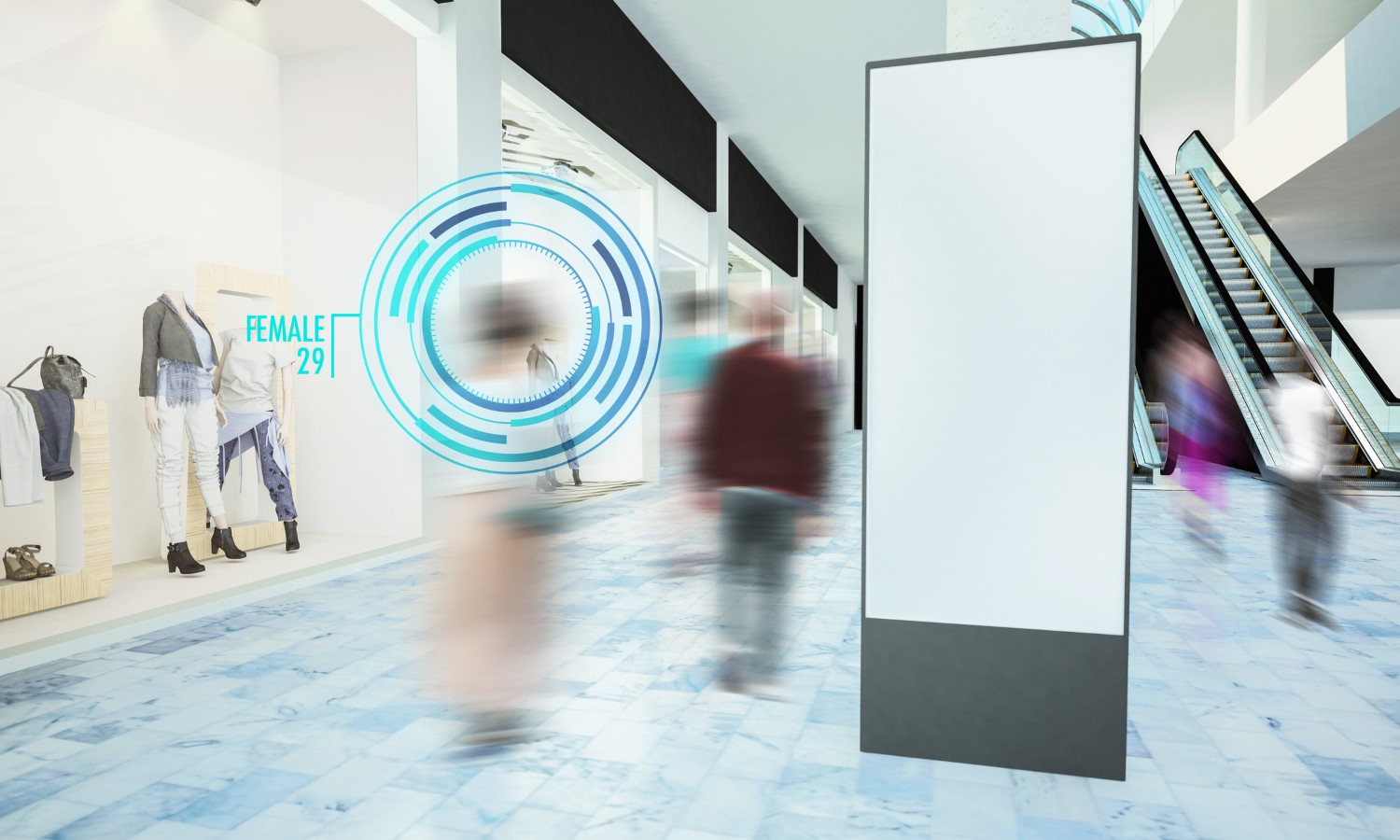
Touchscreens, sensors, AI, and analytics are the new digital signage solutions enabling businesses to build their customers’ interactive experiences. Between the advantages of voice technology and AI, customers can manipulate the displays, search for products, gather recommendations, and also make a purchase.
Examples of Features:
-
Touchscreen kiosks for product exploration.
-
QR codes linking to promotions or apps.
-
Personalized content based on demographics or behavior.
-
Gamification and interactive storytelling to drive engagement.
Impact: The evolution from a passive marketing tool to an active engagement and revenue-generating solution.
Benefits of Dynamic Digital Signage
-
Enhanced Engagement: Dynamic visuals, video, and interactivity capture attention.
-
Personalization: Tailored content improves relevance and customer satisfaction.
-
Real-Time Updates: Flexibility to deliver timely promotions and announcements.
-
Cost Efficiency: Reduces printing and distribution costs associated with static signage.
-
Analytics and Insights: Track impressions, interactions, and conversions to optimize ROI.
-
Brand Differentiation: Modern, high-tech signage enhances brand perception.
Strategies for Leveraging Modern Digital Signage
-
Promotions and Upselling: Display offers and complementary products dynamically.
-
Wayfinding and Guidance: Help customers navigate stores, malls, or large venues.
-
Interactive Customer Engagement: Use touchscreens, gamification, and personalized recommendations.
-
Social Proof Integration: Show live social media feeds, reviews, and user-generated content.
-
Data-Driven Content Optimization: Use analytics to refine campaigns and increase ROI.
FAQs About Digital Signage Evolution
Q1: How is dynamic digital signage different from traditional signage?
A: Dynamic signage allows for real-time updates, interactivity, personalization, and analytics, unlike static printed signs which are fixed and non-interactive.
Q2: Can small businesses benefit from modern digital signage?
A: Yes. Even a single interactive display can enhance customer experience, promote products, and boost sales.
Q3: What industries benefit most from dynamic digital signage?
A: Retail, hospitality, healthcare, corporate offices, education, transportation, and entertainment venues all benefit significantly.
Q4: How do businesses measure the effectiveness of digital signage?
A: Through engagement metrics such as impressions, interactions, dwell time, conversion rates, and customer feedback.
Conclusion
The move from static to dynamic digital signage has been a revolution in the way businesses communicate, engage, and make decisions on their customers. Today's digital displays are not just displays; they are interactive and data-driven marketing tools that attract customers to your brand and consequently, generate measurable profits.
As the innovations march forward, the firms that leverage dynamic and interactive signage will be the ones that are beyond the rest of the competition by creating the experiences that customers will remember and thus will turn them into brand advocates.